Cycle Rwanda
11 Days


Tour Description
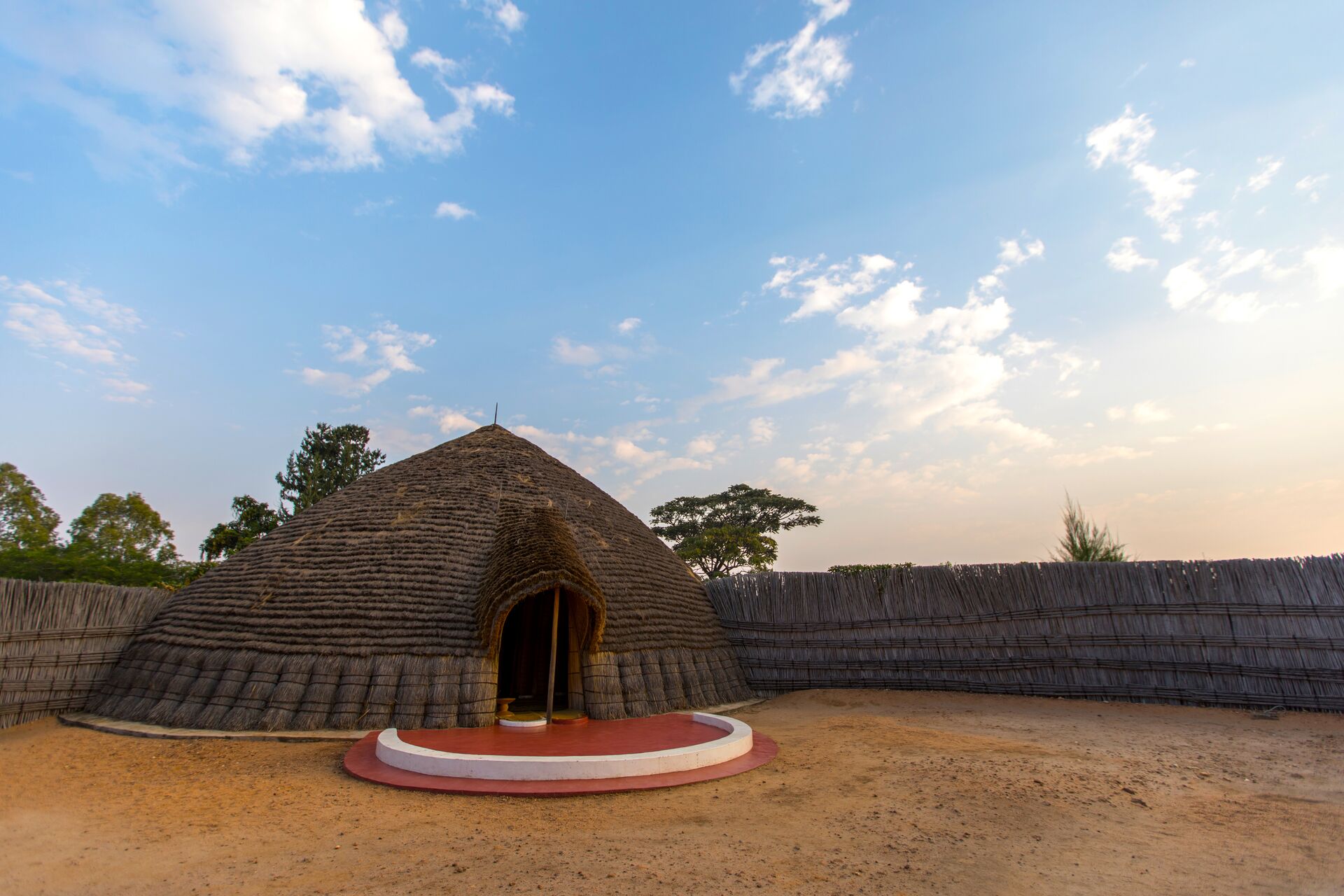
Let two wheels take you to the high altitudes of the UNESCO World Heritage-listed Nyungwe National Park and the lowest valleys of the Virunga Mountains. Join a thrilling 11-day cycling trip in Rwanda, guided by a passionate and knowledgeable local leader and surrounded by a group of like-minded adventurers. Follow the UCI Road World Championship route and the Congo Nile Trail, plus pedal your way to unforgettable landscapes at Lake Kivu and Akagera National Park. In between your adventures on the saddle, you’ll visit local artisan centres, seek out zebras, giraffes, elephants and more on a safari and maybe meet the royal Inyambo cattle at the King’s Palace. With optional activities like gorilla trekking, canopy walkways, and sunset boat rides, a rewarding journey full of natural beauty awaits.Priced From:
$ 7995.00pp *
Cycle Rwanda
YGXR
Validity: 01 Jan 2027 to 31 Dec 2028
04 Dec 2028
Let two wheels take you to the high altitudes of the UNESCO World Heritage-listed Nyungwe National Park and the lowest valleys of the Virunga Mountains. Join a thrilling 11-day cycling trip in Rwanda, guided by a passionate and knowledgeable local leader and surrounded by a group of like-minded adventurers. Follow the UCI Road World Championship route and the Congo Nile Trail, plus pedal your way to unforgettable landscapes at Lake Kivu and Akagera National Park. In between your adventures on the saddle, you’ll visit local artisan centres, seek out zebras, giraffes, elephants and more on a safari and maybe meet the royal Inyambo cattle at the King’s Palace. With optional activities like gorilla trekking, canopy walkways, and sunset boat rides, a rewarding journey full of natural beauty awaits.
Original
Cycling, Expedition
Bicycle, Private 4WD support vehicle
4
PHYSICAL PREPARATION There are regular rest breaks each day, however it is important to note that you will be riding over multiple and consecutive days in a climate and terrain that may be unfamiliar. While it can be tempting to start out riding as hard and fast as you can (we get it!) we recommend taking it easy on the first few days while your body gets used to the rides and the climate. As a general rule, the more preparation you can do for this type of trip, the more you will enjoy it. Prepare for the trip by doing aerobic type exercises before travelling - jogging or swimming are some options, though cycling is best. If possible take some extended day rides before travelling, or spend time on exercise bikes in the gym. The more your muscles (and bottom) are prepared for the riding on this trip the more you will be able to enjoy the wonderful countryside and people you meet while riding. Note that an enthusiasm for bike riding and adventure is essential! It is also important that you are both confident and competent in riding a bicycle, both solo and in a group environment. CYCLING DISTANCES: The information listed in the itinerary is a guide to the approximate distances and terrain cycled each day. However, this may vary depending on the physical capabilities of the group, and changes to local conditions. We generally only cycle during daylight hours, so there may be some early morning starts. On the rare occasion we do ride during the evening suitable lights will be provided for you. We take regular rest breaks throughout cycling days. This is one of our tougher cycling trips, predominantly due to the general terrain, altitude and road conditions in Rwanda. The cycling distances are relatively short and the terrain of Rwanda is hilly, so you'll need to be reasonably fit. While no specific technical riding skills are required we do ride on a mixture of sealed and unsealed/gravel roads which can be rough, and care should be taken especially on unsealed downhill sections. As such it is important that you are both confident and competent in riding a bicycle. If you are not used to riding on unsealed roads some practice at home before you travel is a great idea, especially for downhill sections. This trip has a single leader that rides with the group, and another that drives the support vehicle (acting as a back-marker where needed). It is not uncommon for the group to ride apart, especially on non-technical and flat sections. If you are feeling fatigued or are unsure of your cycling skills on any particular section you are always welcome to use the support vehicle at your discretion If you wish to book the optional trekking with gorillas, you'll need to be fit enough to trek to the location of your family of mountain gorillas. This may involve up to 5 hours of walking up and down hills, in hot and humid conditions and through tropical (and at times thick) foliage. There may be mud underfoot, which will make the trekking slippery. You will be provided with a walking stick and the option to hire a porter who can carry your day pack and assist you on the trek. If you do not hire a porter, you'll be expected to carry your own gear, including water and a rain jacket, as well as your camera equipment.
Hotel Chez Lando
Airport Road
Remera
Kigali
RWANDA
Hotel Chez Lando
Airport Road
Remera
Kigali
RWANDA
1.This is a new trip for 2027. As such it is possible small adjustments may happen to the itinerary as we continue to fine tune the itinerary. 2. A single supplement is available if you’d prefer not to share a room on this trip. The single supplement applies to all nights of your trip and is subject to availability. Please speak to your booking agent for further information. 3. Bicycle hire is included in your trip price. Please advise your height at time of booking so as we can organize a suitable sized bike. 4. Bike helmets are compulsory on this trip. We are unable to hire bike helmets locally so please ensure you bring your own bike helmet from home. 5. On this trip we have a single leader that rides with the group, and another that drives the support vehicle (acting as a back marker where needed). Where the vehicle cannot travel directly with the cyclists (e.g., a cyclists-only path) your leader will assign a person from the group to act as a back marker. 6. This trip does not include gorilla trekking. Please speak with your booking agent to book this well prior to travel.
All Intrepid cycling group trips are accompanied by one of our cycling leaders. The aim of the group leader is to take the hassle out of your travels and to help you have the best trip possible. Intrepid endeavours to provide the services of an experienced leader however, due to the seasonality of travel, rare situations may arise where your leader is new to a particular region or training other group leaders. Our cycling leaders are all passionate cyclists, as you’d expect, but they also go through some pretty rigorous cycle-trip specific training. Each one has undergone on-road training and supervision and knows how to do safety checks, basic repairs and emergency first-aid. And at the end of the day they’re still regular Intrepid leaders, which means they will provide information on the places you are travelling through, offer suggestions for things to do and see, recommend great local eating venues and introduce you to our local friends. While not being guides in the traditional sense you can expect them to have a broad general knowledge of the places visited on the trip, including historical, cultural, religious and social aspects. At Intrepid we aim to support local guides who have specialised knowledge of the regions we visit. If you were interested in delving deeper into the local culture at a specific site or location then your leader can recommend a local guide service in most of the main destinations of your trip.
We take safety seriously on all our trips, but cycling tours deserve a few special considerations. HELMETS: Helmets are compulsory and we do not allow anyone to ride without one (including our own staff!). You can bring your own, or purchase one that meets international safety standards on the ground. Your leader can assist with this. FOOTWEAR For safety reasons we strongly recommend that you wear shoes that cover the toes while riding. SUPPORT VEHICLES We usually have a support vehicle following us if first-aid is ever necessary or people are feeling too tired to ride. BIKES: Our bikes are serviced regularly, and we get them checked by experts before each and every trip. Should you choose to bring your own please note that while we are happy to assist where we can with repairs you are responsible for the safety and suitability of your own equipment. TRAFFIC AND DRIVING ON THE OTHER SIDE OF THE ROAD: Depending on where you come from please note that drivers in this part of the world may drive on the opposite side of the road from what you are used to. Look both ways before crossing any road. Traffic can be a little more chaotic than you might be used to at home. Be aware! There are times when traffic conditions make sections of our planned riding route unsafe – in this instance we will use the support vehicle. WEATHER Due to inclement weather posing a serious health or safety issue there may be times when we use the support vehicle instead of doing the planned ride. We will endeavour to reroute if possible but at times may have to cancel the planned ride.
In this destination the traffic drives on the right-hand side of the road. Drivers are generally respectful and careful of cyclists but it is important to be aware at all times.
On this trip we have a single leader that rides with the group, and another that drives the support vehicle (acting as a back marker where needed). Where the vehicle cannot travel directly with the cyclists (e.g. a cyclists-only path) your leader will assign a person from the group to act as a back marker to help ensure that the group stays together.
FREE TIME & OPTIONAL ACTIVITIES Your group leader or local representative will accompany you on all included activities; however, during your trip, you'll have some free time to pursue your own interests, relax and take it easy or explore at your leisure. While your group leader or local representative will assist you with the available options in a given location, please note that any optional activities you undertake are not part of your Intrepid itinerary, and Intrepid makes no representations about the safety of the activity or the standard of the operators running them. Please use your own good judgment when selecting an activity in your free time. Please also note that your group leader or local representative has the authority to amend or cancel any part of the trip itinerary if it's deemed necessary due to safety concerns. INTREPID SAFETY STANDARDS For more details on the type of conditions and safety standards you can expect on your trip, please refer to Intrepid's operational safety policy on our website. We recommend that you take a moment to read through this information before travelling, and would appreciate any feedback on how well it's being implemented in the field: www.intrepidtravel.com/safety-guidelines
BILHARZIA Bilharzia is a parasitical disease which is usually spread by swimming in contaminated water. It can be assumed that the infection is present, to a greater or lesser extent, in almost all water sources, but most especially in shallow reedy waters in the vicinity of villages. Although the adult parasites do not themselves cause a great deal of harm, after about 4-6 weeks they start to lay eggs, which triggers an intense but usually ineffective immune response, the symptoms of which can include fever, cough, abdominal pain, and an itchy skin complaint known as safari itch. After a while the symptoms settle down and the patient is left with a sense of feeling tired all the time.
INTREPID APP Make your journey smoother with the Intrepid app. Access this Essential Trip Information anytime, get real-time trip updates, connect with your leader and fellow travellers, and share your experiences along the way. Learn more: https://www.intrepidtravel.com/au/app All our trips will be live in the Intrepid app by the end of 2026. We appreciate your patience while we work towards a seamless experience for all of our travellers.
PASSPORT You’ll need a valid passport to travel internationally and most countries require your passport to have a minimum of 6 months validity, so remember to check the expiry date. We need your passport information to get everything ready for your trip so it’s important that the information on your booking matches your passport exactly. Please take care to provide the correct details. We recommend carrying a copy of the photo page of your passport while travelling and leaving a copy at home with family or friends. VISAS & ENTRY REQUIREMENTS You are responsible for obtaining relevant visa and travel information required for entry, departure and travel to each country or region you visit on your trip. We recommend you check your visa requirements as soon as you have booked your trip. This will ensure you have time to prepare your documents and for your visa application to be processed. You can check the entry requirements for your nationality on your government's foreign travel advisories, consular websites or on our page here: http://www.intrepidtravel.com/visa-entry-requirements, ADDRESS FOR VISA APPLICATIONS: If you require an address for Visa Applications in Rwanda, please use: Hotel Chez Lando KG 201 St, Airport Road Kigali, Rwanda +250 788 385 300
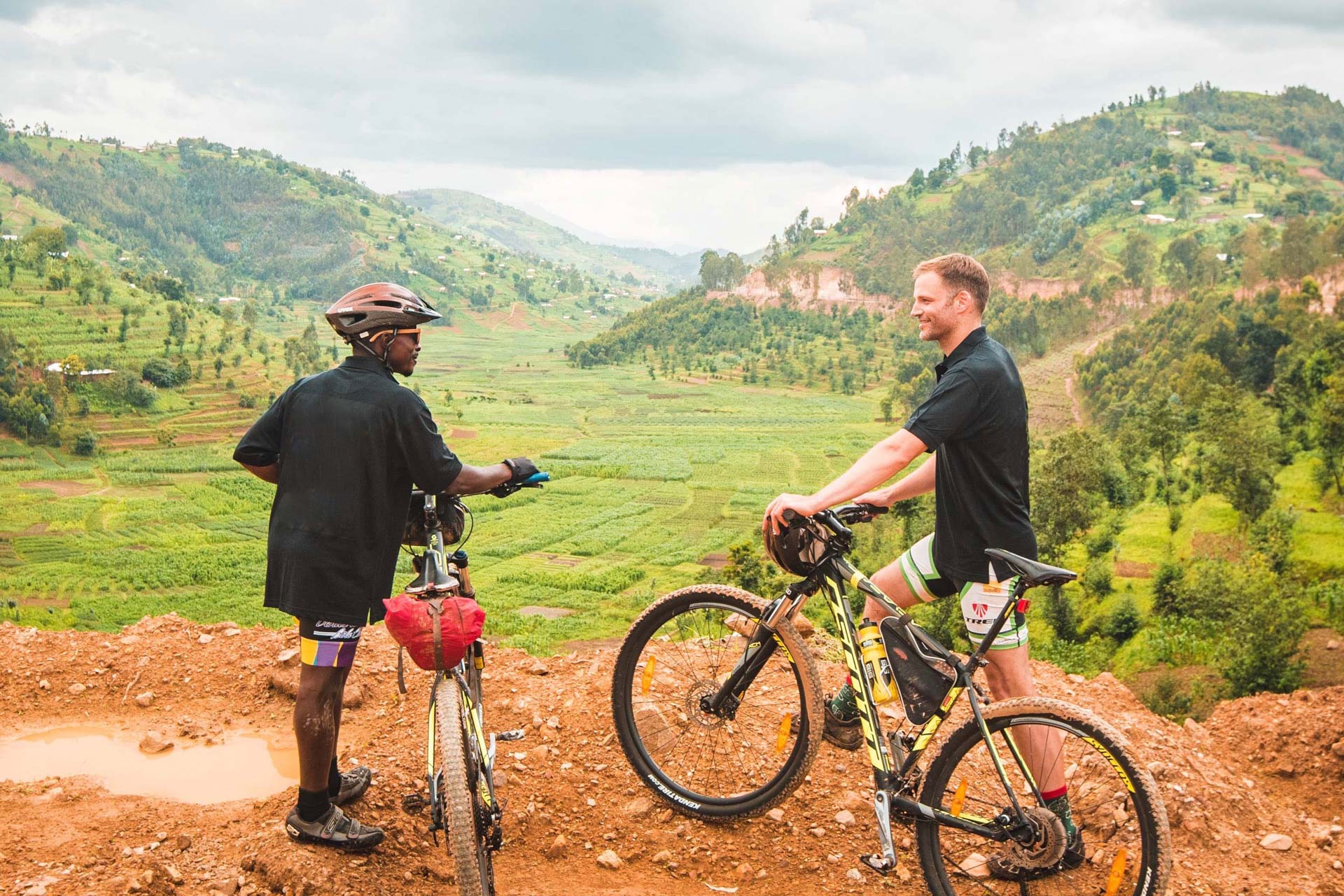
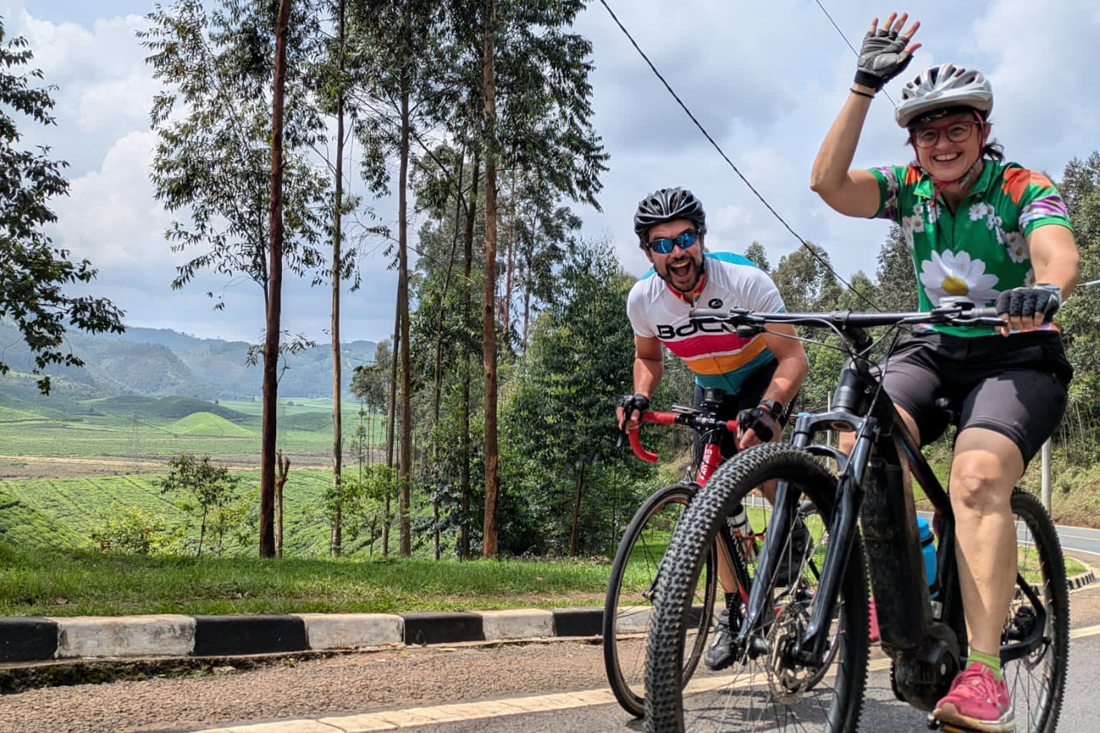
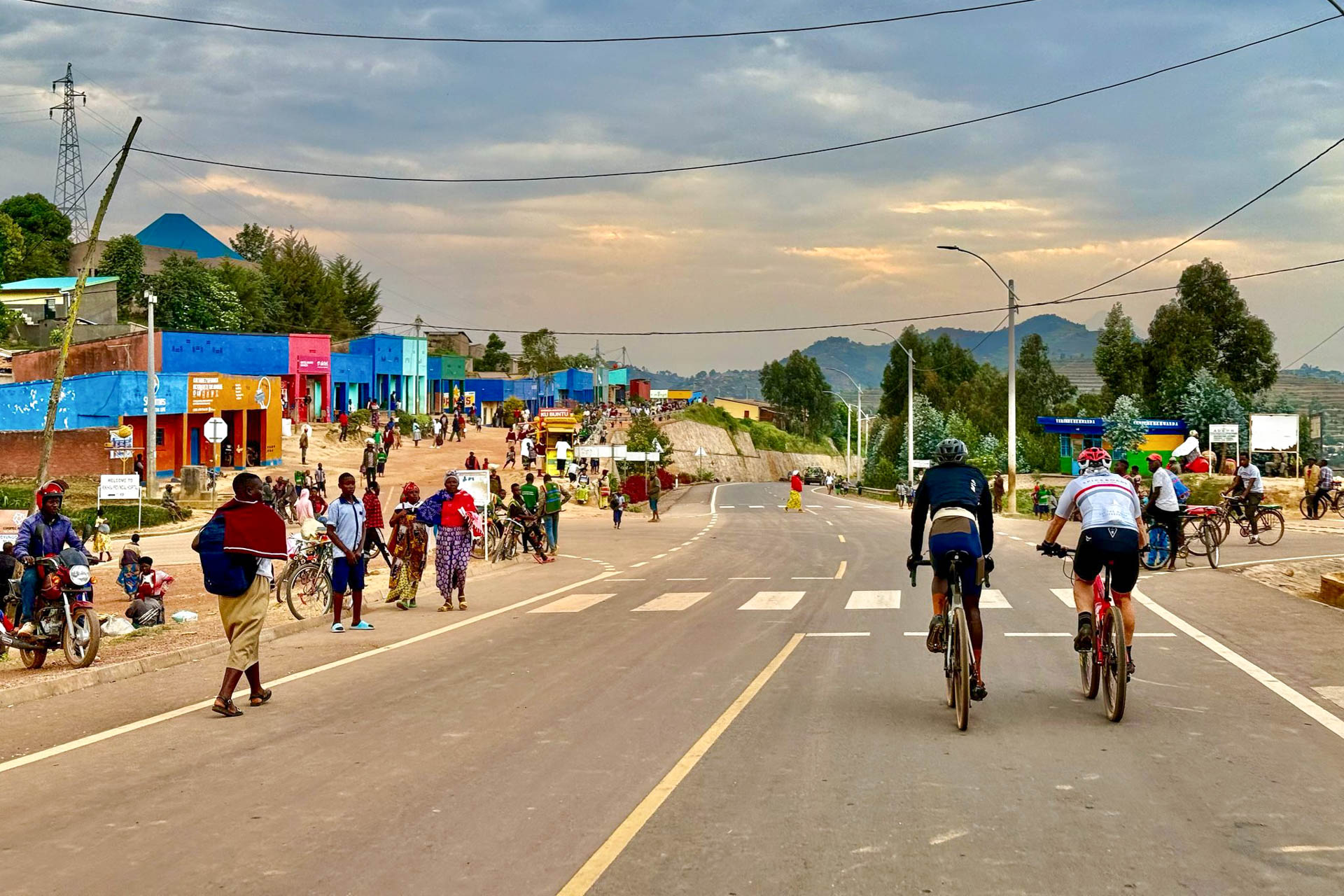
Discover Rwanda on two wheels, riding smooth paved roads and gravel trails between cities, forests and rural villages. Take on the Congo Nile Trail, plus a section of the UCI Road World Championship route.
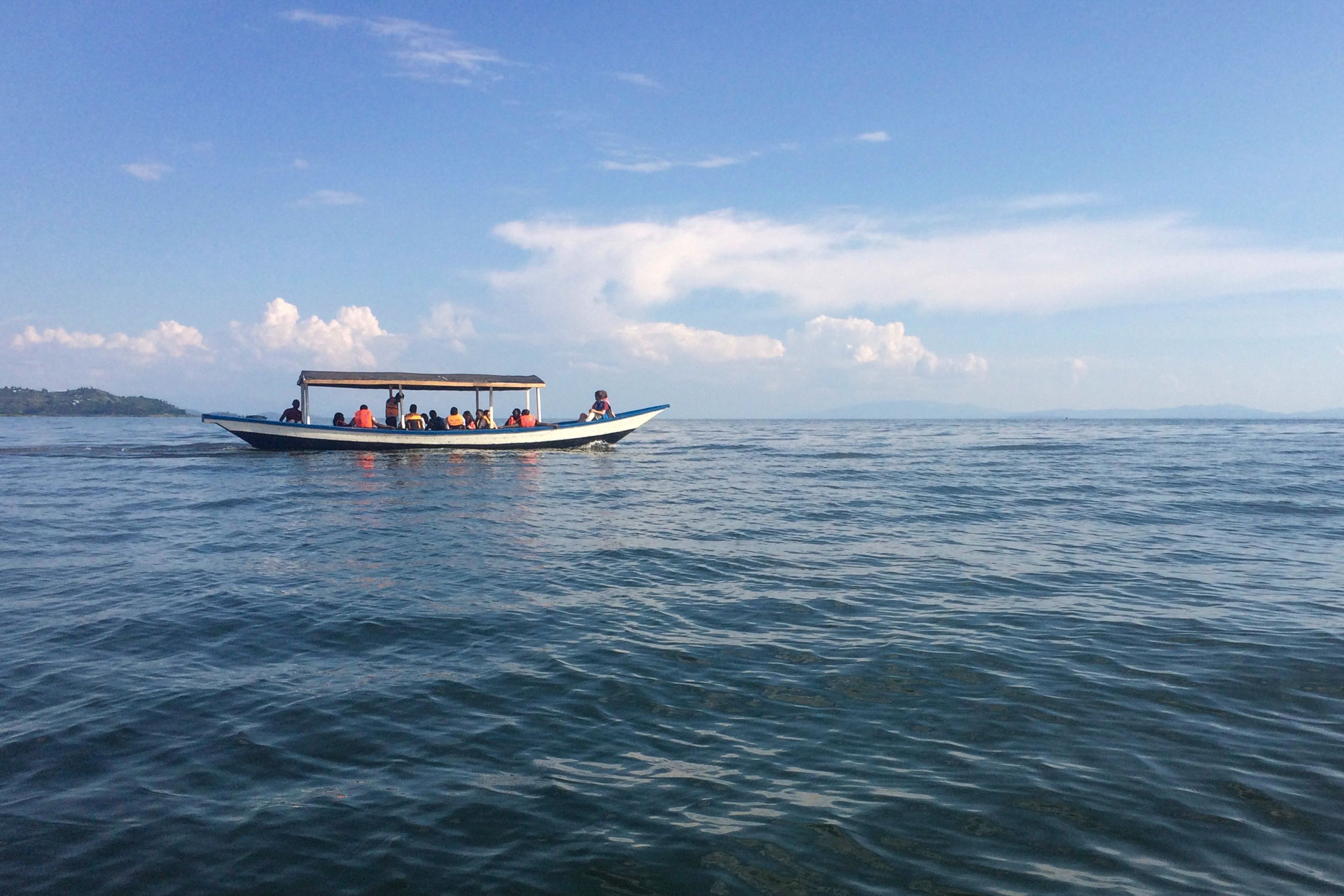
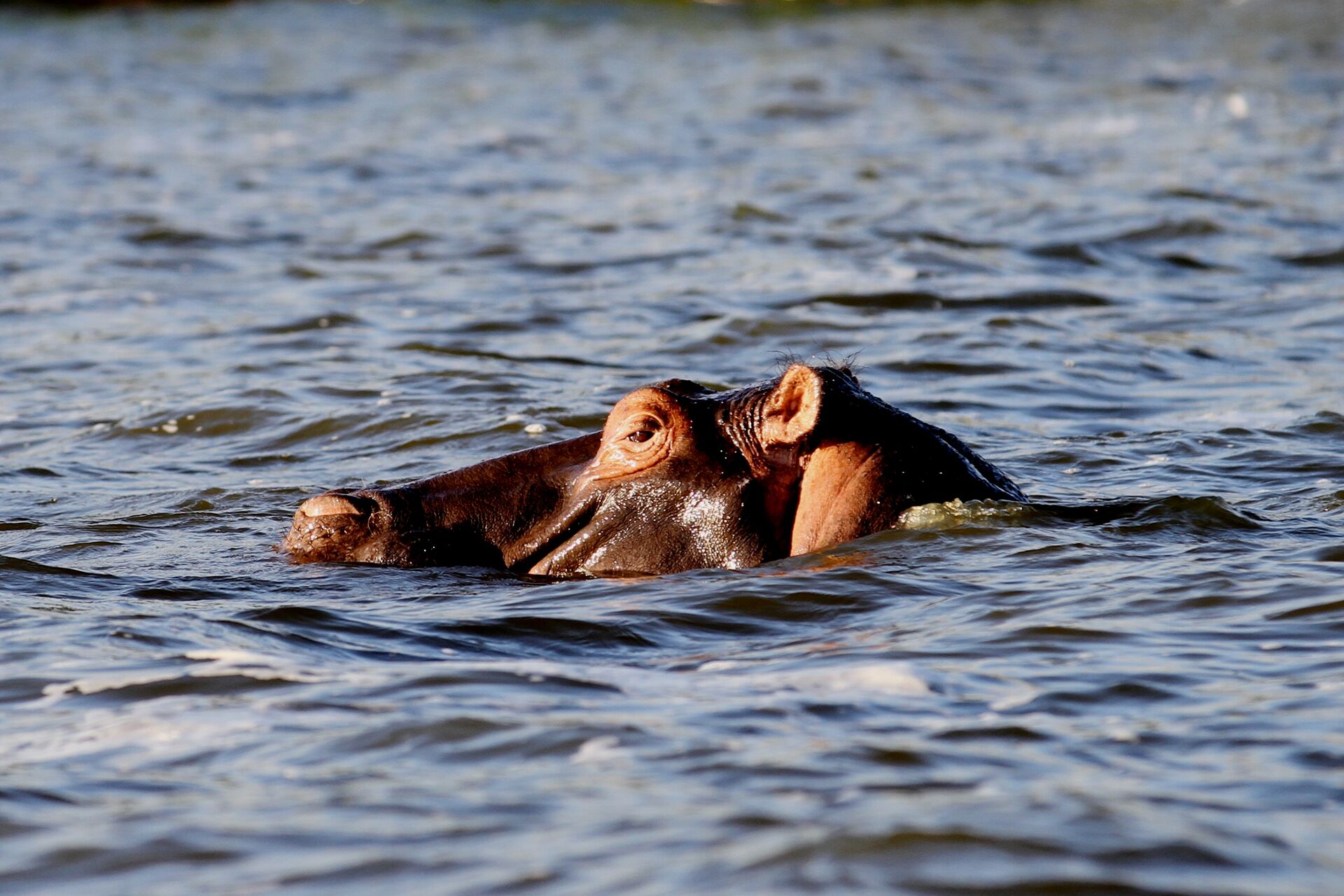
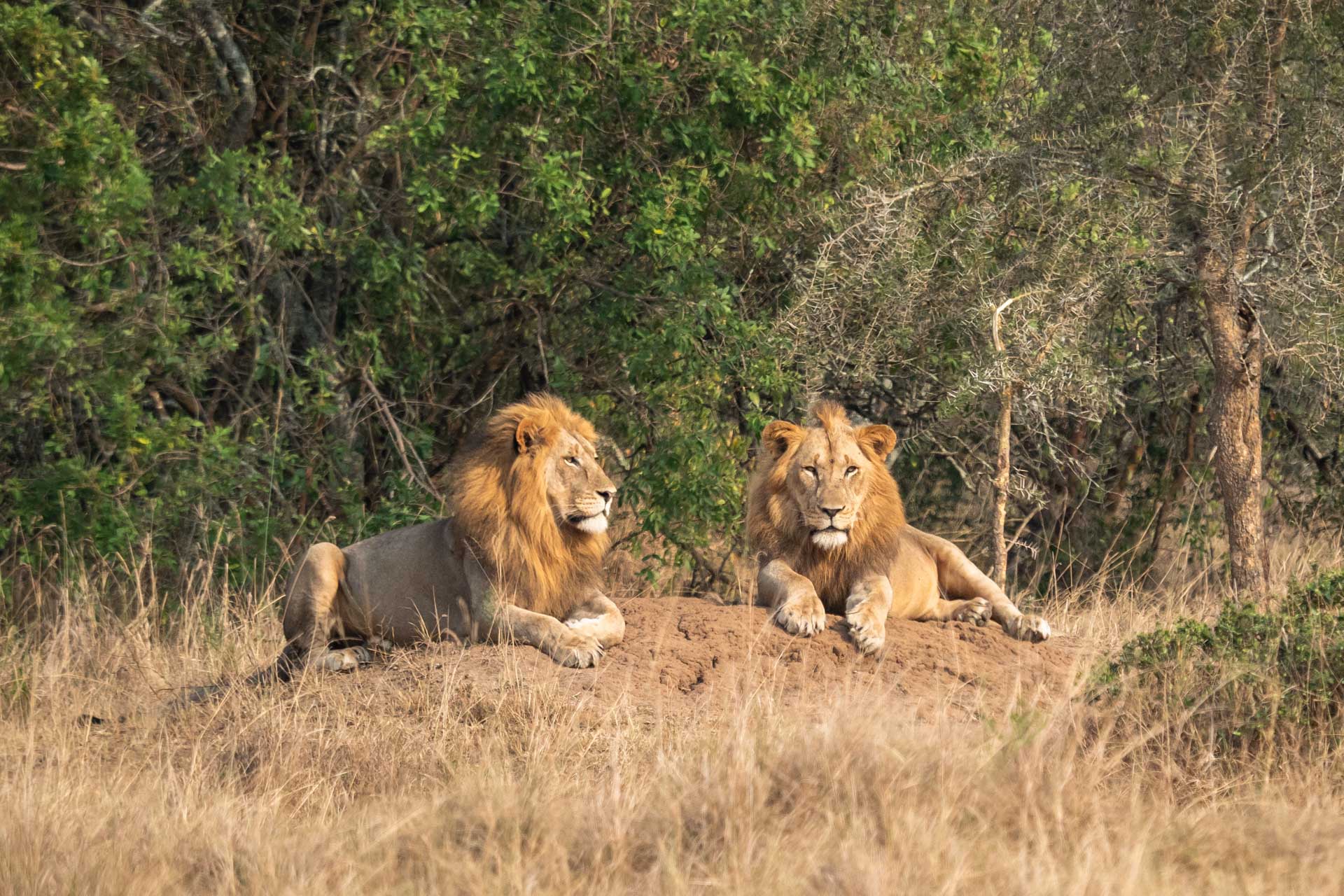
Explore Akagera National Park by bike, boat and jeep. Take a boat to an island on Lake Ihema for a nature walk with a local guide, then embark on an early morning safari to see iconic African wildlife like zebras, rhino, buffalo, lions and leopards.
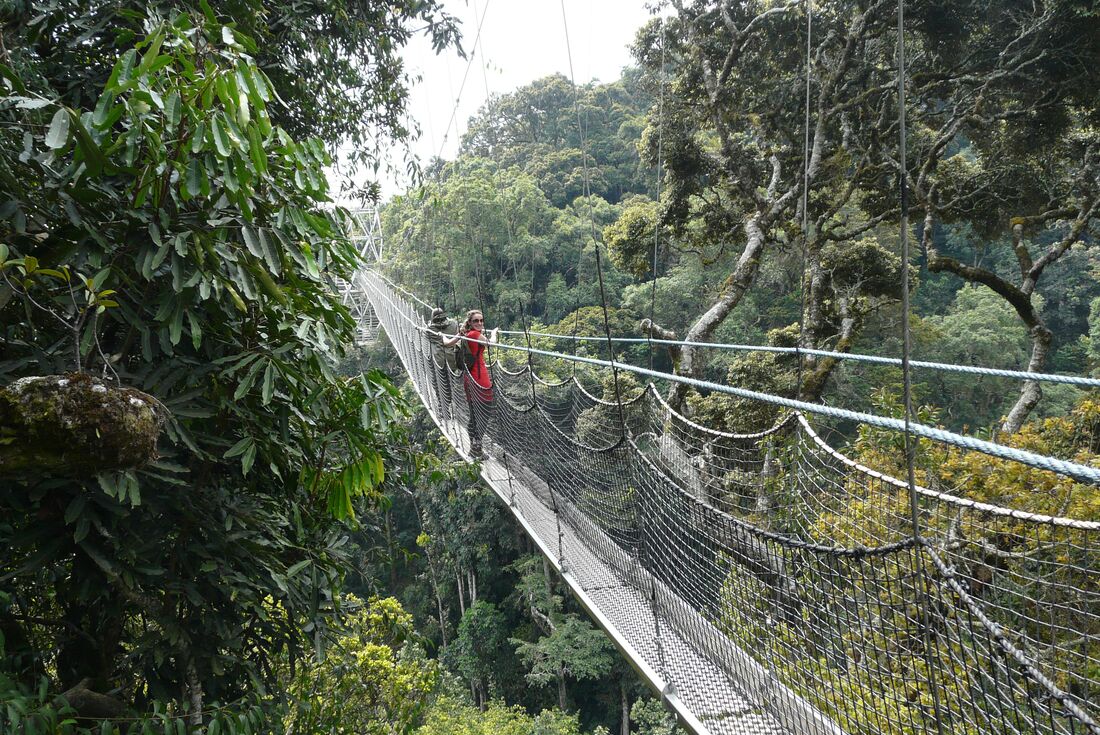
Visit the best preserved montane rainforest in Africa and perhaps see the forest from a bird’s-eye perspective on the 160-m-long Nyungwe Forest Canopy Walkway.
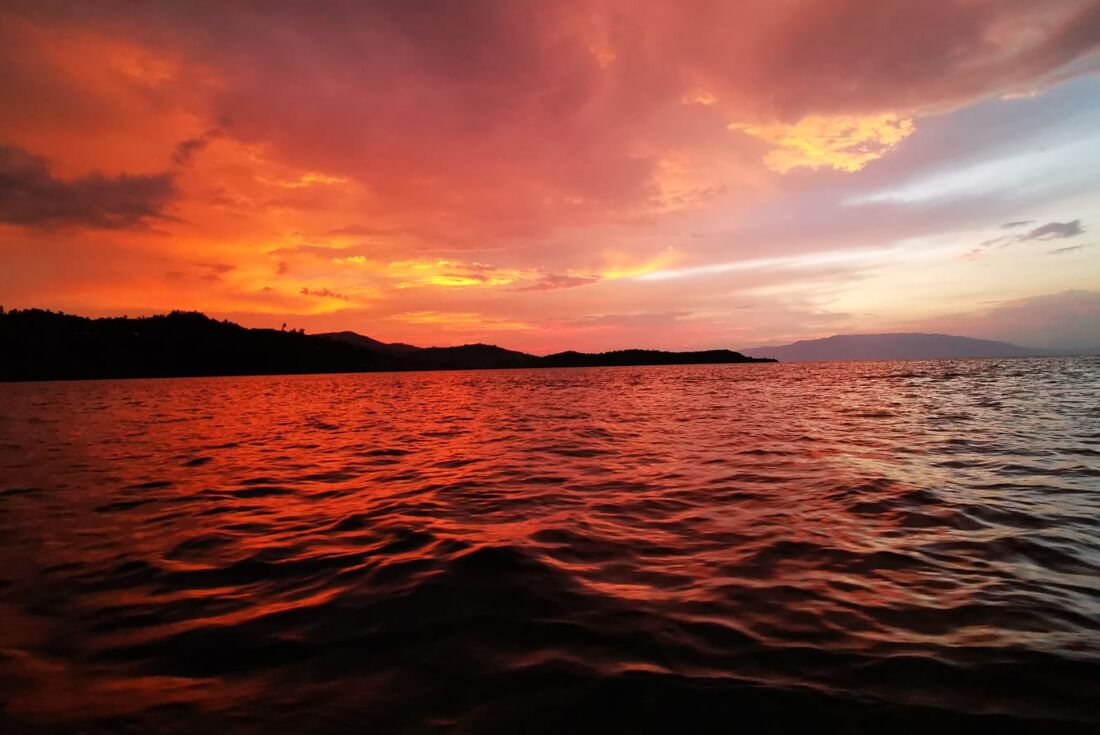
Spend a day riding along the gravel paths of the Congo Nile Trail. Soak up excellent views of Lake Kivu and head inland to watch local village life pass you by.
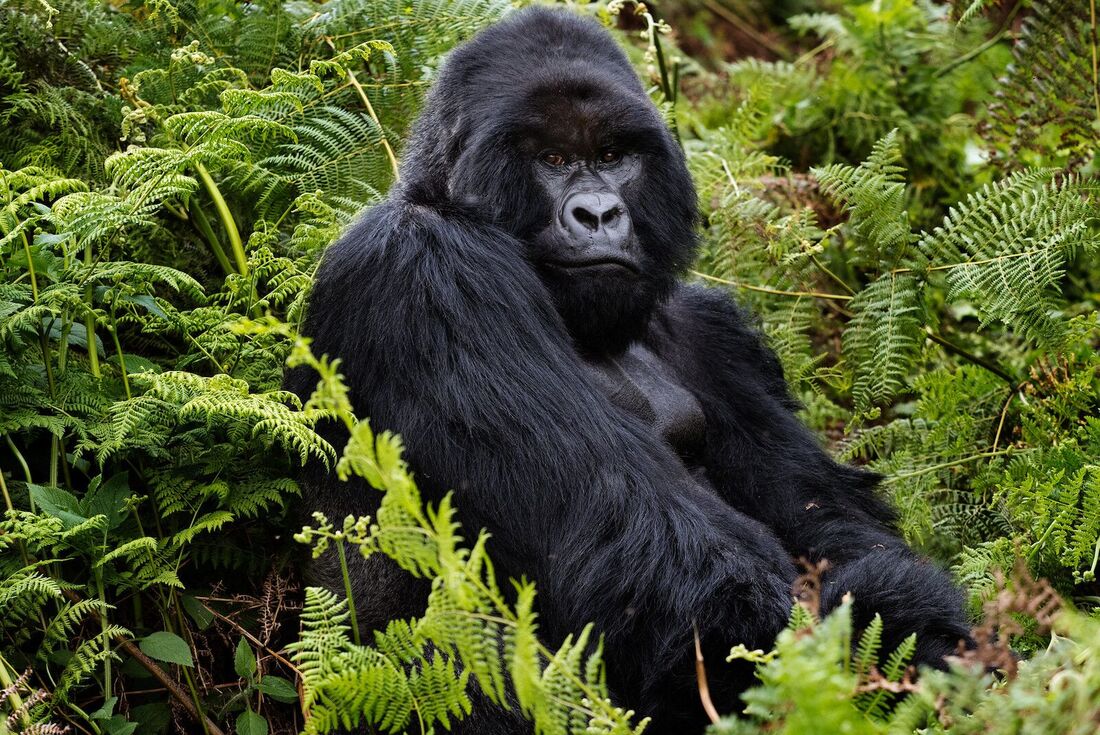
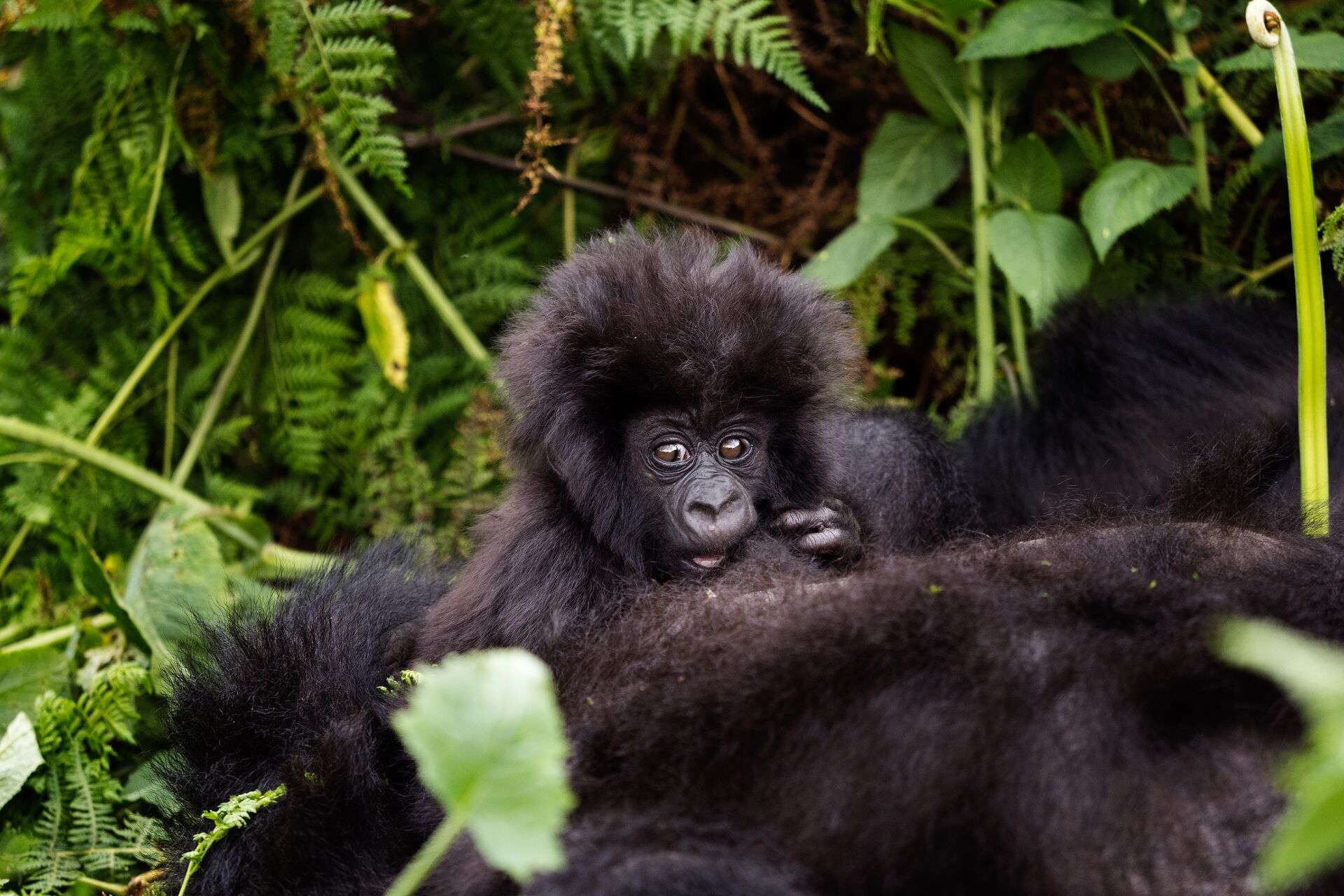
Get close to nature on an optional mountain gorilla trek through the bamboo-covered mountains of Volcanoes National Park. Or opt for a golden monkey trek to see these highly endangered creatures playing and gathering food.
To enjoy this trip, it’s important that you’re both confident and competent in riding a bicycle. An e-bike option is available. There are many long inclines, so a high level of cycling fitness and experience is required. You always have the option to use the included support vehicle at any time for your comfort., This itinerary spends a significant amount of riding time on gravel roads. While usually a good standard, these routes become significantly more challenging during and after wet weather., The day-to-day itinerary features a selection of optional activities. Please note that this list is not exhaustive and is intended only as a guide. Prices are approximate and may change at the discretion of the local provider, and all activities are subject to availability., The gorilla and golden monkey trekking activities are optional and are not included in the cost of the trip. Either option must be pre-booked at the time of booking., No two journeys in Africa are identical. Be prepared for travel times to be longer or shorter than advised. Weather and road conditions can change things significantly, so embrace the detours, shortcuts and unforgettable moments along the way., This trip has a number of long driving days, but it’s as much about the journey as the destination, and half the fun is the camaraderie., There will be many early starts, either to ensure cycling can be completed on time, make use of the better safari time or to beat the morning traffic on long travel days.
GENERAL HEALTH All travellers need to be in good physical health in order to participate fully on this trip. For the safety and wellbeing of yourself and others, if you are unwell prior to travelling, please stay at home and contact us to make alternative arrangements. When selecting your trip please make sure you have read through the itinerary carefully and assess your ability to manage and enjoy our style of travel. Please note that if in the assessment of our group leader or local representative a traveller is unable to complete the itinerary without undue risk to themselves and/or the rest of the group, we reserve the right to exclude them from all or part of a trip without refund. You should consult your doctor for up-to-date travel health information or for any necessary vaccinations before departure. We recommend that you carry a first aid kit as well as any personal medical requirements in their original packaging as they may not easily be obtained while travelling. If you are carrying medication, ensure you check your government's foreign travel advice for any local restrictions or requirements. , YELLOW FEVER: A valid international certificate of vaccination against Yellow Fever is required in many countries if you are arriving from a country with risk of yellow fever (eg. Kenya). You may need to present this on arrival at the airport or border crossing. Some countries will refuse entry if you are unable to present your certificate. It's also quite common for your home country to request a Yellow Fever certificate on your arrival back home. It is your responsibility to check with your doctor well in advance of leaving home about the Yellow Fever requirements for the countries you'll be visiting. , MALARIA & DENGUE Malaria and Dengue are mosquito-borne diseases commonly found in many parts of Africa. Before you travel, discuss your itinerary with a doctor and monitor your government foreign travel advice for up-to-date information on risk levels in particular areas. To reduce your risk of mosquito bites, protect yourself by using insect repellent and wearing long, loose, light-coloured clothing. Malaria symptoms typically appear 7–30 days after infection and may include fever, chills, headache, and fatigue. Doctors can prescribe medication to help prevent Malaria, so it’s important to consult your healthcare provider before travelling. Dengue symptoms generally emerge 4–10 days after being bitten. These may include high fever, severe headache, joint and muscle pain, nausea, and rash. As there is no specific medication for Dengue prevention, avoiding mosquito bites is key. If you develop symptoms of Malaria or Dengue while travelling or after returning home, seek medical attention straight away. , DRINKING WATER As a rule, we recommend you don't drink tap water, even in hotels, as it may contain much higher levels of different minerals than the water you are used to at home. For local people, this is not a problem as their bodies are used to this and can cope, but for visitors drinking the tap water can result in illness. Generally, this isn't serious, an upset stomach being the only symptom, but it's enough to spoil a day or two of your holiday. Many hotels and lodges provide safe drinking water, while bottled water is another alternative. Water consumption should be about two litres a day. Rehydration salts, motion sickness tablets, and diarrhea blockers are available from many pharmacies - please source from home and bring them with you on your travels.
Hotels and your group leader will endeavour to cater for specific dietary requirements where possible, and vegetarianism and gluten intolerance will be catered for in most instances, however your diet may be limited more than you are used to. Please notify your sales consultant at the time of booking of any dietary requirements plus your group leader in your group meeting at the start of the trip.
SPENDING MONEY When it comes to spending money on the trip, every traveller is a little different. You know your spending habits better than we do, so please budget an appropriate amount for things like optional meals, drinks, shopping, optional activities, and laundry. Make sure you have read the itinerary and inclusions thoroughly so you know what is included in the trip price and what you may need to pay for while travelling., CREDIT CARDS, ATMS AND EXCHANGING MONEY ATMs are available in most major towns and cities and even some campsites. Withdrawal limits vary between countries, sometimes as low as USD 100 per day, and will differ from your withdrawal limit at home. Smaller shops and restaurants only accept cash. Foreign currency is easily changed at exchange bureaus, who generally offer the best rates. If you are bringing USD cash we strongly recommend large bills in good condition, 2013 series onwards only. Any old or damaged notes may not be accepted. Credit cards are generally accepted in tourist shops and some restaurants across Africa. Visa and Mastercard are preferred. If you're on a multi-country trip, your leader will be able to give you an approximate idea of how much money you may need in each country. , MEALS NOT INCLUDED Please review your Itinerary for which meals are included. For meals that aren’t included, we recommend budgeting USD 15 – 35 per lunch and USD 20 – 50 per dinner., TIPPING Tipping can be an appropriate way to recognise great service when travelling. While it may not be customary in your home country, it is an entrenched feature of the tourism industry across many of our destinations and is greatly appreciated by the people who take care of you during your travels. It is always best to avoid tipping with coins, very small denomination notes, or dirty and ripped notes, as this can be regarded as an insult rather than the goodwill gesture it is intended to be., We recommend budgeting approximately USD 10 per traveller per week to tip local service providers for activities included in this trip. This doesn’t include a tip for your leader or crew., YOUR GROUP LEADER OR LOCAL REPRESENTATIVE Tipping your group leader or local representative is highly appreciated if you feel they’ve provided outstanding services throughout your trip. The amount is entirely a personal preference; however, as a guideline, the recommended amount is USD 6 - 9 per person per day (in a currency relevant to your destination). Of course, you are free to tip more or less as you see fit, depending on your perception of service quality and the length and involvement of your group leader or local representative on your trip. ADDITIONAL CREW You may have additional crew on your trip, such as a local guide, driver or cook. We recommend tipping each person USD 4 - 5 per person per day (in a currency relevant to your destination)., CONTINGENCY FUNDS We try to plan for every eventuality, but there are still some things beyond our control. We reserve the right to change an itinerary after departure due to local circumstances or a Force Majeure Event. In such emergency circumstances, the additional cost of any necessary itinerary alterations will be covered by you. We are not responsible for any incidental expenses that may be incurred because of changes to itineraries, including but not limited to visas, vaccinations or non-refundable flights. Make sure you have access to an extra USD 500 for emergencies (e.g. severe weather, natural disasters, civil unrest) or other events that result in unavoidable changes to the itinerary (e.g. transport strikes or cancellations, airport closures). Sometimes these things necessitate last-minute changes to enable our trips to continue to run, and as a result, there may be some extra costs involved. The recommended amount is listed in USD for the relatability of all travellers; however, local currency may be needed once in the country to cover these costs. Please confirm with your leader on Day 1 if you need to carry this in cash, or whether access via card or electronically is sufficient., COMMISSIONS Intrepid understands that the receipt of commissions in exchange for recommending particular shops or services is ingrained in the culture of the tourism industry. For this reason, we have established a centralised fund for contributions from recommended suppliers so these can be collected and distributed back into the business. Actively managing the receipt of commissions helps us maintain the level of quality you expect on one of our trips. Travel is always an adventure so Intrepid cannot explicitly guarantee the quality of a product but we aim to provide the best value trips in the market. Please let us know via the feedback form completed after your trip if we are successfully meeting - or exceeding - this objective.
CYCLING Packing for a cycling tour isn’t that different from any other adventure, but if you want to be comfortable and warm, here are a few bike-specific requirements and suggestions: • Main piece of luggage – as space in our support vehicle/transport can be limited we request that you bring only a small bag as your main piece of luggage. We recommend a soft-sided bag • Helmet – these are compulsory, but if you don’t have your own you can often purchase an approved and well-fitted one at the start of the trip (our leaders can assist you with this). There are some destinations where you are unable to purchase appropriate helmets locally so you will always need to bring your own - please check the 'Important Notes' section to see if this is the case. • Padded bike shorts • Quick-dry jerseys – you can get away with a few cotton t-shirts but having a few light and breathable jerseys will make your cycling a lot more comfortable, especially in warmer/humid climates. • Quick-dry socks • Cycling gloves / Regular gloves – not essential but recommended as padded cycling gloves will make your riding more comfortable and can help protect you in the case of a fall. Regular gloves for those who may not own cycling gloves to keep hands warm in cold wet weather. • Rain gear – pack a light poncho in case the weather turns when you’re out on the road. • Light breathable waterproof/windproof outer layers – especially useful for those early mornings or downhill sections when wind-chill becomes a factor. • Water bottle – we don't provide bottles, but all our bikes have one bottle holder fitted (and a second one can be fitted if required). Please bring a cycling-specific water bottle as other types will fall out of the holders. A Camelbak will make drinking on-the-go easier. • Sunglasses – well-fitted sports sunglasses help protect against dust, insects and the sun. • Day pack – our support vehicle will carry your main piece of luggage, but a day pack for snacks and clothes is a good idea. • Sunscreen – please bring a high protection factor (e.g. SPF50) sunscreen as long days in the saddle mean long exposure to the sun. • Shoes – normal sports shoes can be worn on all our trips however you may want to consider a flat shoe with a relatively stiff sole as it makes pedalling a lot more efficient. Regular cyclists are welcome to bring their own cycling-specific shoes however we recommend 'mountain bike' style shoes that have grip on the sole rather than ‘road bike' shoes as you will still be walking around while on the rides (cafe/photo/toilet stops, etc). For safety reasons we require that you wear shoes that completely cover the toes while riding. • Saddles – Our saddles are standard, unisex models –less experienced cyclists may choose to bring your own gel seat cover for added comfort. • Pedals – all bikes come with flat pedals. Regular cyclists are welcome to bring their own pedals – our leader will assist in fitting them to your bike. • Bike Lights - we design our Cycling trips so that you are usually riding during daylight hours so do not include bike lights unless a night ride is specifically planned and included in the itinerary. Should you feel more comfortable riding with 'daytime' flights please bring your own and we will be happy to assist in fitting them to your included bicycle.
PLASTIC BAG BANS To reduce single use plastic, many countries in Africa have banned the import and use of plastic bags. Your luggage may be searched upon entry. Exceptions will be made for plastics that are essential for health and hygiene. We recommend obtaining reusable waterproof bags prior to entry for things like dirty laundry.
Rwanda's relatively high altitude provides it with a pleasant tropical highland climate, albeit also with plenty of rain. Rwanda's long rainy season lasts from about March to May, when the rain is heavy and persistent. June to mid-September is the long dry season. October to November is a shorter rainy season and it's followed by a short dry season from December to February. Cycling can be done year round, but with the heavy rain comes muddy trails which can complicate cycling, and usually requires a higher level of riding skills to ride safely and comfortably.
Intrepid won't tolerate any kind of violence, harassment (whether physical, verbal or sexual), or disrespect toward fellow travellers, our teams or local communities. To ensure the wellbeing of everyone on the trip, decisions made by your group leader are final. Romantic relationships between travellers and group leaders or local representatives are not permitted while on trip. Any behaviour that prevents your leader from continuing the itinerary as planned, breaks local laws or opposes any of these guidelines may result in Intrepid denying your booking or removing you from the trip. If something concerns you during your travels, please speak to your group leader immediately. Alternatively, you can contact us on the emergency contact number detailed in the Problems and Emergency Contact Information section of this Essential Trip Information.
Can’t stop thinking about your adventure? Tell us all about it! We read each piece of feedback carefully and use it to make improvements for travellers like you. Share your experience with us at: http://www.intrepidtravel.com/feedback/
While we always endeavour to provide the best possible holiday experience, due to the nature of travel and the areas we visit sometimes things can and do go wrong. Should any issue occur while you are on your trip, it is imperative that you discuss this with your group leader or local representative straight away so that they can do their best to rectify the problem and save any potential negative impact on the rest of your trip. We recognise that there may be times when your group leader or local representative may not be able to resolve a situation to your satisfaction - if this is the case, please ask the group leader or local representative to speak to their direct manager. You may also choose to provide details in your online feedback, which we ask you to complete within 30 days of the end of your trip. Please do be aware that it is very difficult for us to provide any practical help after the trip is completed, so informing us while still travelling will give us the opportunity to resolve the issue in real-time., For general contact details please use the following page: https://www.intrepidtravel.com/contact-us, In case of a genuine crisis or emergency, you can reach our local office on the numbers below: , For any concerns regarding pre-booked transfers, you can reach out to the transfer company via WhatsApp at +250 794 865 795. In case of a genuine crisis or emergency, you can reach our local office on the numbers below: Intrepid's Local Operator: +254 758 555 550/1. , Intrepid's Local East Africa Operator: +254 758 555 550 or +254 758 555 5501
Our Responsible Travel Policy outlines our commitment to preserving the environment, supporting local communities, protecting the vulnerable, and giving back to the places we travel. All our group leaders and local representatives, suppliers, and staff are trained on these principles and are core to us delivering sustainable, experience-rich travel. Explore the different parts of our Responsible Travel Policy by visiting: https://www.intrepidtravel.com/responsible-travel, Love wildlife? Us too. We believe nature should be protected, respected and never exploited for our entertainment. That’s why we design all of our wildlife trips and experiences to meet the standards set out in our animal welfare guidelines (https://www.intrepidtravel.com/en/animal-welfare), created in collaboration with World Animal Protection. This ensures that the unforgettable animal encounters our travellers rave about are conducted responsibly, with the utmost respect for all creatures. What does that mean for you? Well, we never ride, feed or handle wild animals for a start. Take a closer look at our animal welfare policy (https://www.intrepidtravel.com/sites/intrepid/files/Intrepid_Travel_Animal_Welfare_Policy.pdf) to learn more about how we champion responsible, cruelty-free experiences on our trips, and see how you can help make a difference when you travel with our animal-friendly travel tips (https://www.intrepidtravel.com/en/how-be-better-traveller-wildlife). , KEEPING GORILLAS SAFE Gorilla tourism has become vital to the species' survival, providing the critical funding needed to protect and manage the national parks. However, the popularity of gorilla trekking brings thousands of people from all over the world into close contact with wild gorillas. Since humans share approximately 98.4% of their DNA with gorillas, they are susceptible to the infectious diseases we carry. Since COVID-19, the wearing of masks has become a National Park policy. However, some trekking guides, motivated by tips, will allow people to take their masks off. To ensure the health and safety of wild gorillas, it is an Intrepid policy for all our travellers to wear a surgical mask while within a 10-metre (11-yard) proximity to the gorillas. Surgical face masks are provided on the ground by the National Park for a cost, or you may bring your own.
Our non-profit, The Intrepid Foundation, gives travellers more opportunities to make a positive impact in the places they visit. We have over 50 Intrepid Foundation partners across the globe addressing four key focus areas: protecting the environment, taking a stand for wildlife, addressing inequality and empowering communities. Intrepid matches all post-trip donations dollar for dollar and takes care of the admin fees – this doubles your impact and ensures every cent goes to our partners on the ground. Visit our website for more info: http://www.theintrepidfoundation.org/
The style of accommodation indicated in the day-to-day itinerary is a guideline only and may change. On some occasions, alternative arrangements may need to be made due to the lack of availability of rooms in our preferred accommodation. In these cases, we will use a similar standard of accommodation. Throughout the trip, we request that our properties prepare rooms in time for our arrival, especially if we're arriving prior to normal check-in time. However, this isn't always possible which means we won't be able to check-in immediately on arrival at some hotels. Instead, we can store our luggage and explore our new destination or on some trips, have use of shared day rooms until all rooms are available., If you require a Sleep Apnea Machine to sleep please ensure that it is battery operated. Lodges and Permanent Tented Camps are often powered by generators which are turned off during the night.
While there are occasions when we use local public transport such as trains, buses or taxis to cover long distances or attend non-cycling activities, we predominantly use the bicycle as our main form of transport. On most of our trips we also have a support vehicle as secondary transport for travelling longer distances, avoiding hazardous areas to cycle, as a backup should we have any incidents and of course as an option for those that would prefer not to cycle for an hour or a day. In most regions, the support vehicle will be a minivan, but may range in size up to a full-sized coach or overland vehicle. Your main piece of luggage is transported in the support vehicle. Our bikes do not have panniers or bags on them, so we recommend a small backpack or a cycling jersey with rear pockets to carry any essentials you’ll need with you., NAVIGATING YOUR WAY WITHOUT THE INTERNET To make it easier to find your way around (especially in the main cities) we recommend downloading offline maps (such as Google maps) to your mobile device/phone – that way you can use live GPS mapping while your mobile device is in ‘Flight Mode’, saving battery and internet time., E-BIKE OPTION An e-bike option (at additional cost) may be available on this trip. We have limited numbers of these bikes available and they are an 'on request' basis only. A request does not guarantee an e-bike, only a confirmed booking. Please ask your agent for more details at the time of booking., BRINGING YOUR OWN BIKE While we’re confident in the quality and suitability of the bikes we include, we do recognise that sometimes you just need the comfort of your own bike to enjoy the ride. If you are thinking of bringing your own bike on this trip, please advise us at time of booking and take note of the below information. If you do choose to bring your own bike, please note that we will not being carrying a spare bike for you. SUITABLE TYPE OF BIKE Although the surfaces of the roads we travel on are generally good there are occasionally gravel or potholed sections of road/track. As such, we recommend a 'mountain' or 'hybrid' style bike with plenty of gear selections for easy cruising. For more details on the type of roads we’ll be riding on see the ‘Physical Rating’ section of your Essential Trip Information. Please contact your booking agent if you have any questions about the suitability of your bike. We usually cannot accept tandem bikes on our trips as they are often too large for our transport. In some destinations we can make an exception. Please ask your booking agent if you are interested in bringing a tandem bike. BEFORE THE TRIP We recommend that you have a full service of your bike performed by a trained mechanic to help minimise any issues you may have during the trip. Please also ensure that you have specific and adequate cover for loss, damage or theft for your bike under your travel, home and contents or specialist insurance policy. DURING THE TRIP Your bike will be transported in the same way as our included bikes, usually in the support vehicle or on the bike trailer. While we endeavour to take the best care we can, you should recognise that transported bikes do get the occasional bump or scratch along the way. The same applies when we take other forms of transport, such as a train, where we are unable to pack the bikes ourselves. Your bike will be secured in the same way as our included bikes. This can occasionally be outside the vehicle (where the bikes are locked together). In order to reach our destination, it is necessary for us to travel via various modes of transportation, including planes and trains. Any extra costs involved with transporting personal bikes are your responsibility. This includes (but is not limited to) additional transport costs and customs/import fees. While our mechanics can usually assist with minor repairs, you are responsible for the safety and upkeep of your own bicycle. This includes conducting regular safety checks of your bike during the trip and cleaning your bike. In addition, any parts that require replacing are your responsibility. Most destinations have access to only limited spares along the way and access to bike shops can be days apart. Therefore, please ensure you bring any spare parts that you may require (especially specialist parts). TRANSPORTING YOUR BIKE TO/FROM THE DESTINATION Your preferred airline should have no problem carrying your bike, but many will charge an extra fee. Contact them before departing to discuss their arrangements for transporting bikes. A well-padded bike box (obtainable from a bike shop) is usually the best method of plane transportation. We recommend that you accompany your bicycle on the flight. Unaccompanied bicycles have been known to spend some extra days in the hands of customs authorities. Many taxis are not large enough to transport a bike box/bag so you may be delayed waiting for a suitably sized vehicle. INCLUDED OR HIRE BIKES: CONDITIONS OF USE You must not mistreat the bicycle and must return it in the same condition as when you received it (excepting ordinary wear and tear). You should immediately inform the supplier in the case of breakdown or loss. The provider is entitled to charge for any damage caused to the bicycle during the period of hire. You must also make sure that the bicycle is secured when not in use. If the equipment is lost or stolen you may be liable for the replacement value of the bicycle. The bicycle remains the property of the supplier and you may not sell, rent out or part possession with the bicycle. You must not use the bicycle while under the influence of alcohol or drugs.
Travel insurance is compulsory on all our trips for those travelling internationally. We require that, at a minimum, you are covered for medical expenses, including emergency repatriation. If you are travelling within your home country or region, please confirm before travel that you are entitled to access the public medical system easily should an accident occur. We strongly recommend all travellers have a policy that also covers personal liability, cancellation, curtailment and loss of luggage or personal effects. For international trips, you will not be permitted to join the group until evidence of travel insurance and the insurance company's 24-hour emergency contact number has been sighted by your group leader or local representative. If you have credit card insurance, your group leader or local representative will require details of the participating insurer/underwriter, the level of coverage, policy number, and emergency contact number, rather than the bank's name and your credit card details. Please contact your bank for these details prior to arriving in-country. For travellers who reside within the European Union, Switzerland or the USA, the requirement to purchase travel insurance cannot be compulsory. However, the purchase of travel insurance is still highly recommended, and each country you visit may have its own specific entry requirements. For example, some mandate travel health insurance for all foreign travellers, regardless of their nationality. Travellers from the European Union, Switzerland or the USA who decline travel insurance when travelling outside their home region must sign a Travel Insurance Waiver Form at the Group Meeting, recognizing personal responsibility for emergency medical and repatriation costs should they arise. For assistance with travel insurance or other services, please visit the link below: , https://www.intrepidtravel.com/booking-resources/our-services
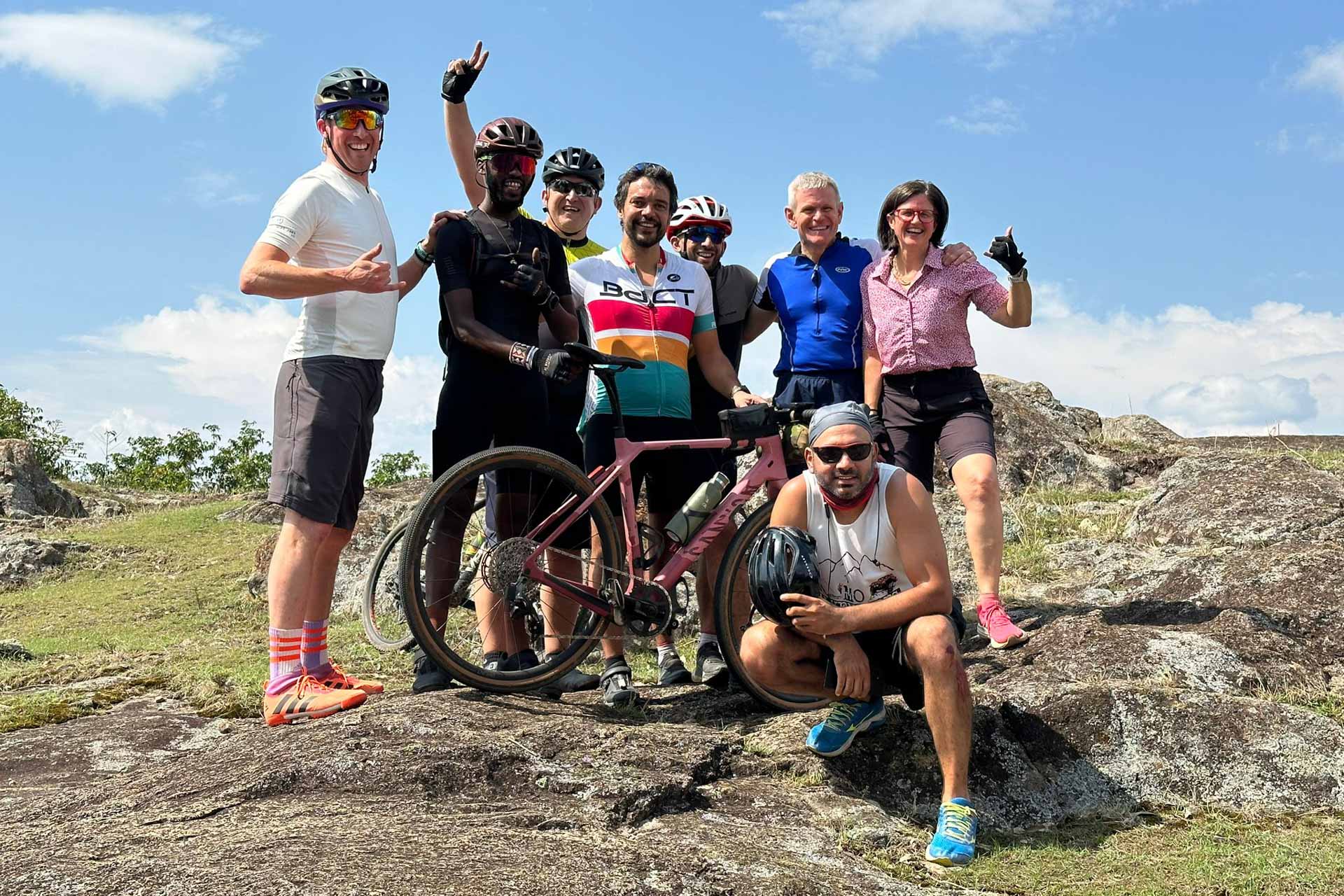
As you travel on a group trip you will be exposed to all the pleasures and maybe some of the frustrations of travelling in a group. Your fellow travellers will probably come from all corners of the world and likely a range of age groups too. We ask you to be understanding of the various needs and preferences of your group - patience with your fellow travellers is sometimes required for the benefit of everyone's travel experience. Remember too that you have responsibilities to the group. If you are requested to be at a place at a certain time, ensure that you don't keep the rest of the group waiting. We have found time and time again that the very best trips we operate are those where the dynamics within the group work well - this takes just a little effort on your part. Due to privacy reasons, we are unable to provide you with contact details and any personal information about your fellow travellers booked on your trip prior to departure., SOLO TRAVELLERS On our trips, rooming is organised on a twin-share basis. We pair up solo travellers with another traveller of the same gender, as per the gender marker on each of their passports. We also offer an optional single supplement on most trips for travellers who prefer to have their own room. This only applies to accommodation during the tour. Pre-trip and post-trip accommodation booked through us will always be on a single-room basis. On a small selection of trips some accommodation will be open-gender and multishare, such as a felucca in Egypt or an overnight train in Vietnam. Please review the Accommodation section of the Essential Trip Information for details about your trip. LGBTQIA+ TRAVELLERS We strive to create a safe and inclusive environment for everyone. If your gender identity differs from what is indicated on your passport, please contact us so that we can discuss rooming options with you.
ITINERARY CHANGES Our itineraries are updated regularly throughout the year based on customer feedback and to reflect the current situation in each destination. The information included in this Essential Trip Information may therefore differ from when you first booked your trip. It's important that you review this information prior to travel so that you have the latest updates. Due to weather, local conditions, transport schedules, public holidays, political unrest or other factors, further changes may be necessary to your itinerary once in-country. Your group leader or local representative will keep you up to date with any such changes once your trip is underway and has the authority to amend or cancel any part of the trip itinerary if deemed necessary due to safety concerns. , OPTIONAL ACTIVITIES A selection of optional activities that have been popular with past travellers are listed in the day-to-day itinerary. This isn't an exhaustive list and should be used as a guide only for some of what might be available. Prices are approximate, are for entrance fees only, and don’t include transport to and from the sites or local guides unless indicated. All activities are subject to availability, and may be on a join-in basis. It may not be possible to do all the activities listed in the time available at each destination, so some pre-planning for what you are most interested in is advised. When it's recommended that travellers pre-book these activities, look for a note in the Special Information section of the day-to-day itinerary. For most, they can either be organised independently on the day, or let your group leader or local representative know you are interested at the Welcome Meeting and they can assist. Where activities are considered medium or high risk, we work with operators whose safety and credentials we have sighted and assessed. Although it is possible that you may find the same activity cheaper with another operator on the ground, we cannot vouch for the safety or quality of that operator. Medium and high-risk activities not listed above have not been assessed by us and as such our staff and group leader or local representative are unable to assist you with organising these activities. Activities that contravene our Responsible Travel policies are also not listed. Please remember that the decision to partake in any activity not listed is at your own discretion and risk., ROAD CONDITIONS AND INFRASTRUCTURE IN AFRICA: Roads in Africa are often in very poor condition, which makes it hard on our vehicles. Our vehicles are serviced regularly and are generally in good condition, but breakdowns can and do happen. Sometimes the going on this trip is quite tough, the distances covered fairly large and some of the roads and tracks are not exactly smooth or free from dust, but the rewards are exceptional. The travelling times indicated in our Essential Trip Information is just a rough guide and is dependent on various factors that may be outside our control, such as road conditions, weather and time spent at borders. DRIVE TIMES: The travel times listed in the day to day itinerary are a guide only. Please be aware that delays may occur and please be patient - it's all part of the experience afterall! Additionally, the travel times do not include time spent on game drives as these can vary with each departure.
Hotel (5 nights), Guesthouse (2 nights), Lodge (2 nights), Resort (1 night)