Classic Japan
11 Days


Tour Description
Steeped in centuries of tradition and full of culinary prowess, Japan is awash with sights to see and histories to uncover. From Tokyo to Osaka, you’ll spend 11 days exploring the heart of Japan. Take in Tokyo’s cityscape during a cruise down the Sumida River, learn about the sobering history of Hiroshima and immerse yourself in Kyoto’s culture during a tea ceremony. Veer off the tourist track with visits to Minobu and Gero. Stay in a temple in the shadow of Mt Fuji, relax in an onsen and feast on a kaiseki dinner. Encounter secluded temples, traditional villages and tasty street food as you explore the endless diversity of Japan with your small group and a local leader who knows all the best spots.Priced From:
$ 8860.00pp *
Classic Japan
CJKJ
Validity: 01 Jan 2027 to 31 Dec 2027
03 Dec 2028
Steeped in centuries of tradition and full of culinary prowess, Japan is awash with sights to see and histories to uncover. From Tokyo to Osaka, you’ll spend 11 days exploring the heart of Japan. Take in Tokyo’s cityscape during a cruise down the Sumida River, learn about the sobering history of Hiroshima and immerse yourself in Kyoto’s culture during a tea ceremony. Veer off the tourist track with visits to Minobu and Gero. Stay in a temple in the shadow of Mt Fuji, relax in an onsen and feast on a kaiseki dinner. Encounter secluded temples, traditional villages and tasty street food as you explore the endless diversity of Japan with your small group and a local leader who knows all the best spots.
Comfort
Explorer, Rail
Public Bus, Subway, Bullet Train, Train, Boat
3
You will be expected to carry your own luggage, including while moving about busy public transport hubs to make tight connections, up stairs and escalators and on and off buses and trains. Although you won't be required to walk long distances with your luggage, you are expected to be able to walk and handle your own luggage for up to 30 minutes, sometimes at a fast pace and in crowds. Good general fitness and mobility will play a big part in making your trip more enjoyable. Japanese cities are best explored by foot and public transport, so be prepared for a lot of walking each day you are in a destination! Many travellers are surprised how much distance they end up covering each day just seeing the sights. Bring comfortable walking shoes and be prepared to spend most of the day on your feet.
Hotel Monterey Akasaka
4 Chome-9-24 Akasaka, Minato-ku
Tokyo
107-0052
JAPAN
Hotel Geometiq Osaka Umeda
2 Chome-15-23 Sonezaki, Kita Ward
Osaka
530-0057
JAPAN
Phone: +81 663111551
1. A single supplement to have your own room is bookable for this trip, excluding Day 3, and is subject to availability. Please speak to your booking agent if you are interested. 2. We are currently unable to offer airport transfers or additional accommodation in Japan due to limited availability. 3. It is essential that you pack light and compact for rail travel in Japan. Luggage size restrictions apply. Please review the Packing section of the Essential Trip Information for more details.
All group trips are accompanied by a group leader or local representative. The aim of the group leader or local representative is to take the hassle out of your travels and to help you have the best trip possible. Intrepid endeavours to provide the services of an experienced group leader or local representative however, due to the seasonality of travel, rare situations may arise where they may be new to a particular region or training other staff. Your group leader or local representative will provide information on the places you are travelling through, offer suggestions for things to do and see, recommend great local eating venues and introduce you to our local friends. While not always being guides in the traditional sense, you can expect them to have a broad general knowledge of the places visited on the trip, including historical, cultural, religious, and social aspects. We often support additional local guides who have specialised knowledge of the regions we visit. If you are interested in delving deeper into the local culture at a specific site or location we may be able to recommend an additional local guide service in the main destinations of your trip. , Due to Japan's popularity it has been necessary to go outside our traditional sources for employing tour leaders. As a result, our passionate, professional and trained tour leaders may either be Japanese or long term foreign residents in Japan.
TRAVEL ADVISORIES & ALERTS We recommend that you check your government's foreign travel advisory for the latest information about the destination before you travel. You will also need to ensure that your travel insurance covers you for all destinations and activities on your trip. We also recommend saving the phone number for emergency consular assistance for your government’s consulate in the destination/s you’ll be travelling. Links to travel advisories and any current travel alerts for our trips can be found here: https://www.intrepidtravel.com/travel-alerts PERSONAL SAFETY Ensure you have a secure method of carrying your passport, phone, credit cards and cash while travelling such as a money belt. Leave all other high-value items, including jewellery, at home.Use safety deposit boxes at hotels to store your valuables when available and ensure your luggage is lockable. Be aware of the risk of pick-pocketing and petty theft. Exercise caution when walking at night, don’t walk alone and stick to well-lit streets wherever possible. Be vigilant on public transport and look out for your fellow travellers. Take precautions such as carrying your bag in front of you and never leaving personal items unattended. LGBTQIA+ TRAVELLERS Intrepid welcomes all LGBTQIA+ customers on our trips, however we operate in parts of the world that are less accepting. We support LGBTQIA+ customers to travel to these destinations and are committed to ensuring they face no discrimination on any part of the trip we control. We recommend you visit Equaldex (https://www.equaldex.com/) and your government's foreign travel advice for LGBTQIA+ travellers when choosing your trip.
JAPAN Crime levels are low. It is generally safe to walk around at night and to travel on public transport, but you should maintain the same level of vigilance as you would at home and take sensible precautions. Reports of inappropriate touching or ‘chikan’ of female passengers on commuter trains are fairly common. The police advise that you shout at the perpetrator to attract attention and ask a fellow passenger to call the train staff. The Roppongi entertainment district of Tokyo is considered a higher risk area for crime.
INTREPID APP Make your journey smoother with the Intrepid app. Access this Essential Trip Information anytime, get real-time trip updates, connect with your leader and fellow travellers, and share your experiences along the way. Learn more: https://www.intrepidtravel.com/au/app All our trips will be live in the Intrepid app by the end of 2026. We appreciate your patience while we work towards a seamless experience for all of our travellers.
PASSPORT You’ll need a valid passport to travel internationally and most countries require your passport to have a minimum of 6 months validity, so remember to check the expiry date. We need your passport information to get everything ready for your trip so it’s important that the information on your booking matches your passport exactly. Please take care to provide the correct details. We recommend carrying a copy of the photo page of your passport while travelling and leaving a copy at home with family or friends. VISAS & ENTRY REQUIREMENTS You are responsible for obtaining relevant visa and travel information required for entry, departure and travel to each country or region you visit on your trip. We recommend you check your visa requirements as soon as you have booked your trip. This will ensure you have time to prepare your documents and for your visa application to be processed. You can check the entry requirements for your nationality on your government's foreign travel advisories, consular websites or on our page here: http://www.intrepidtravel.com/visa-entry-requirements
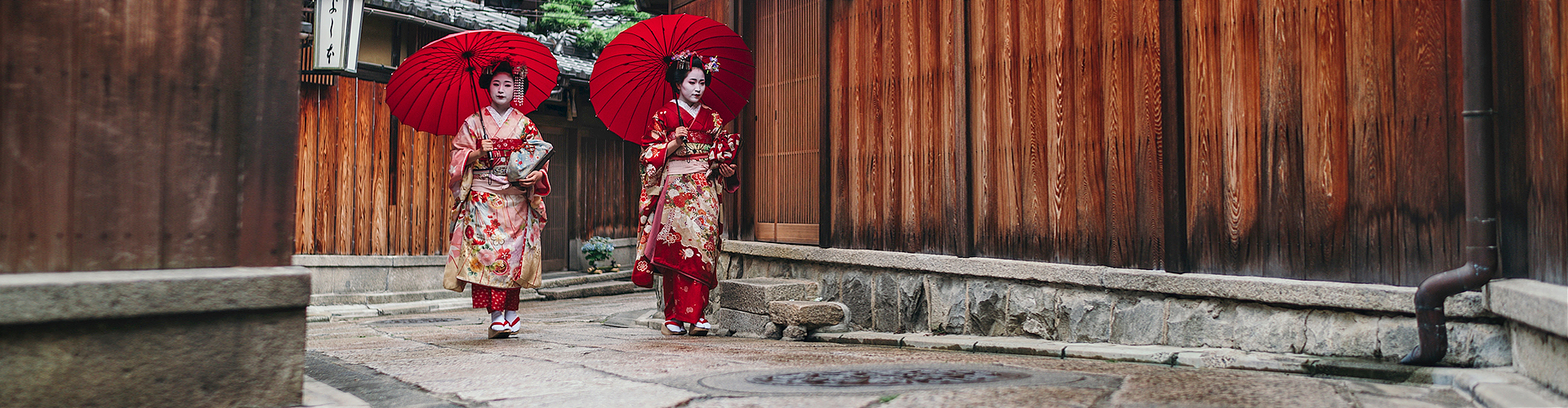
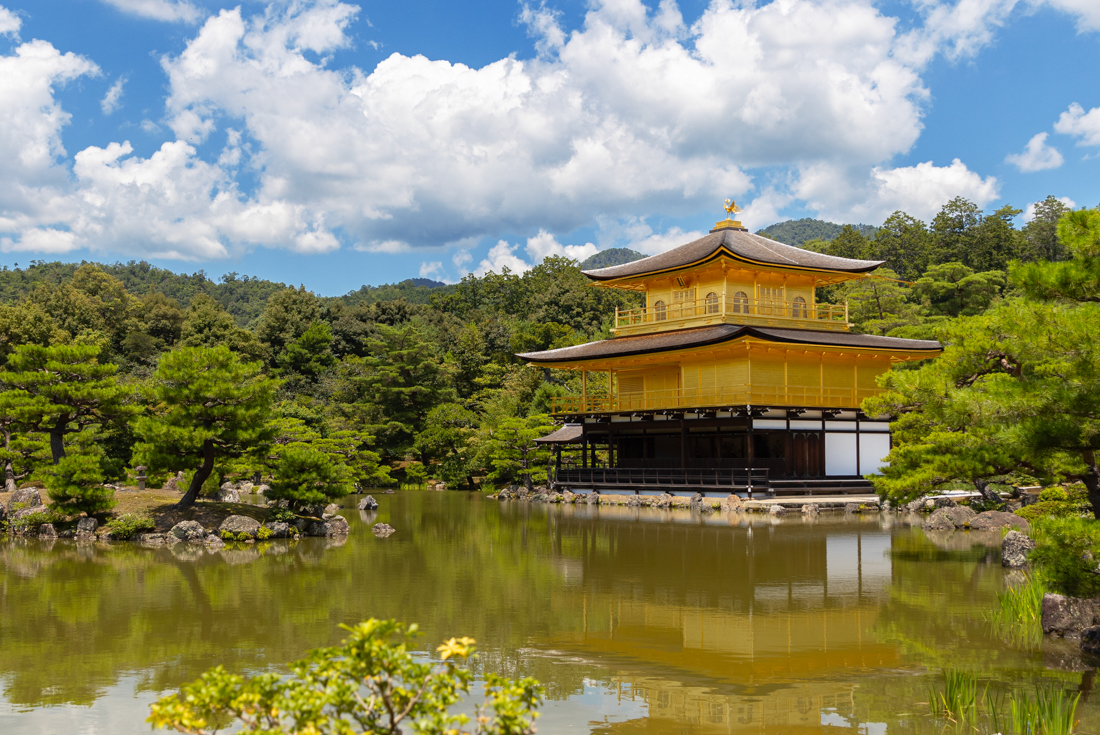
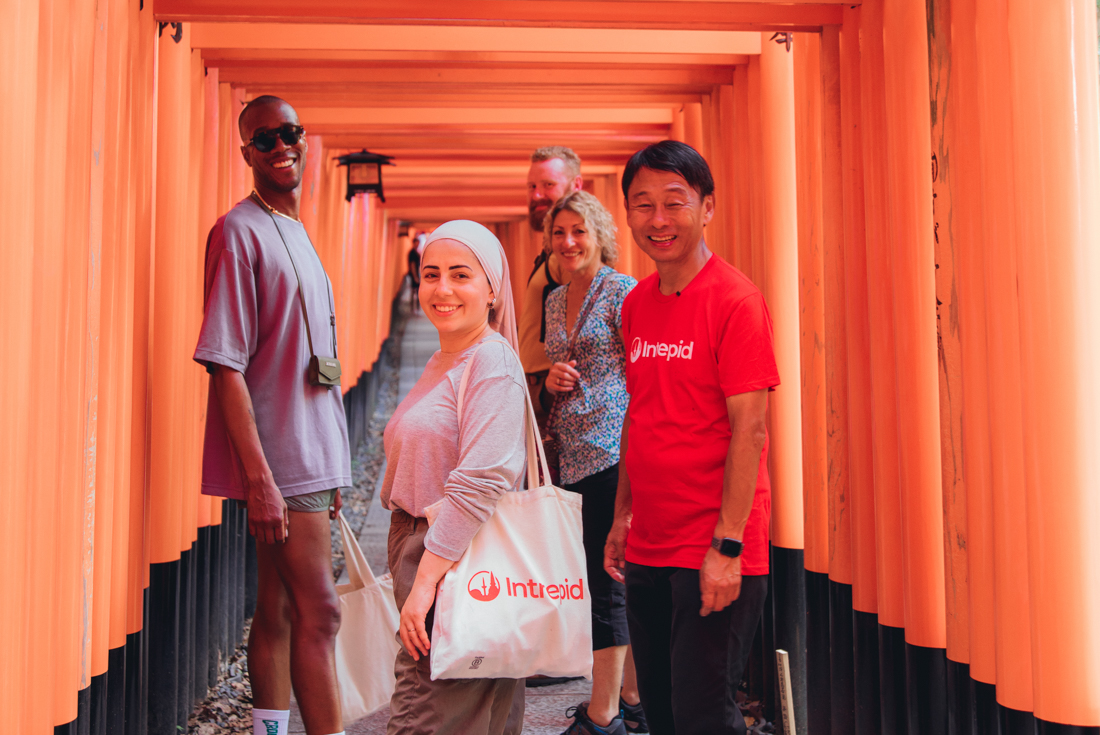
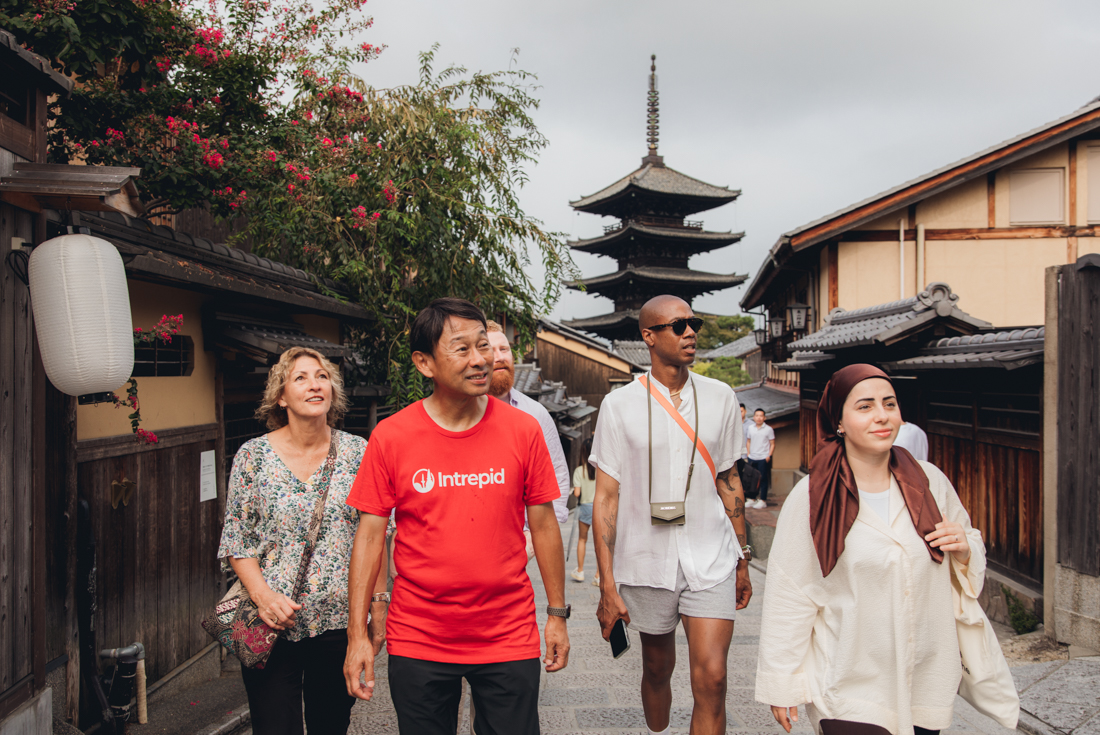
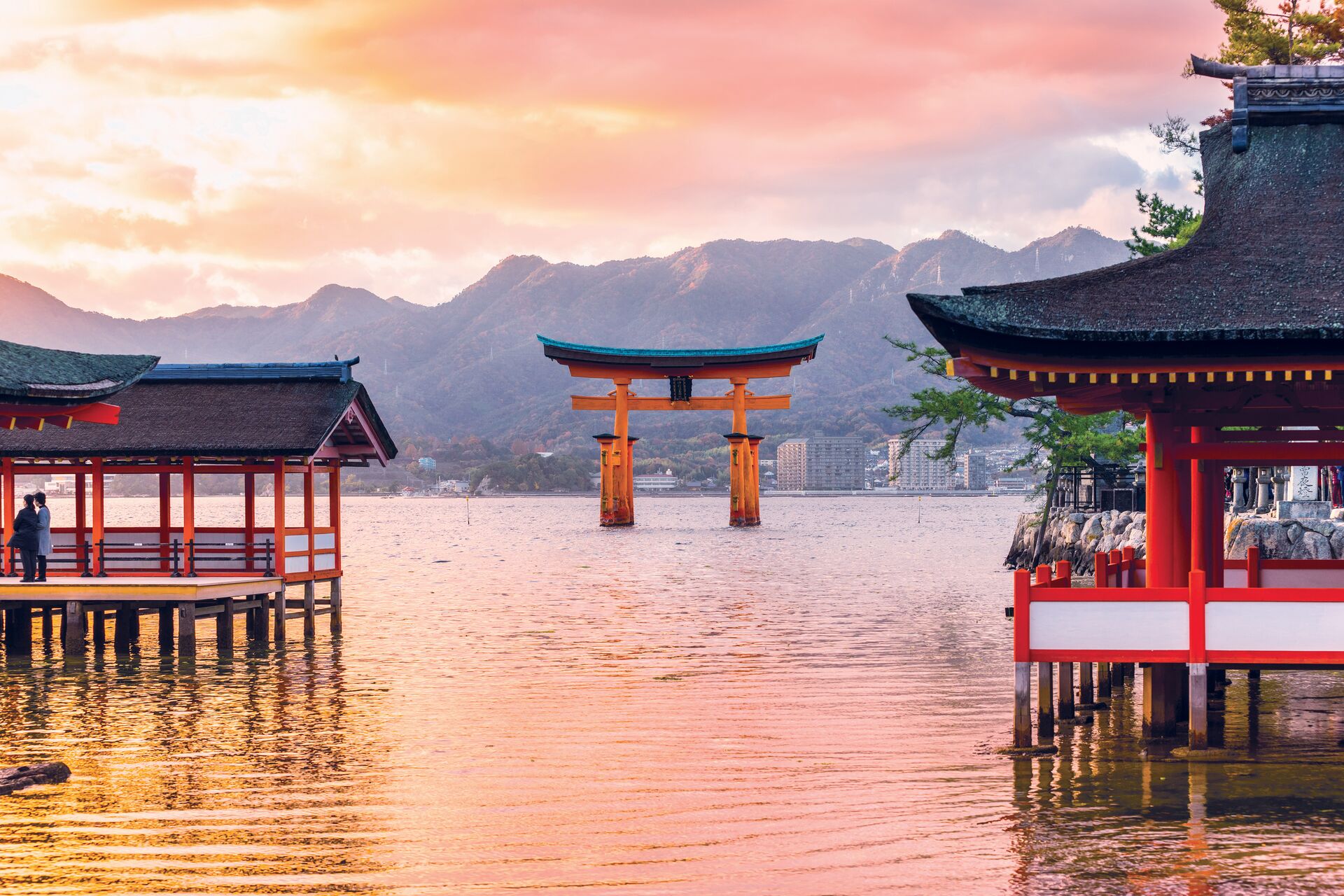
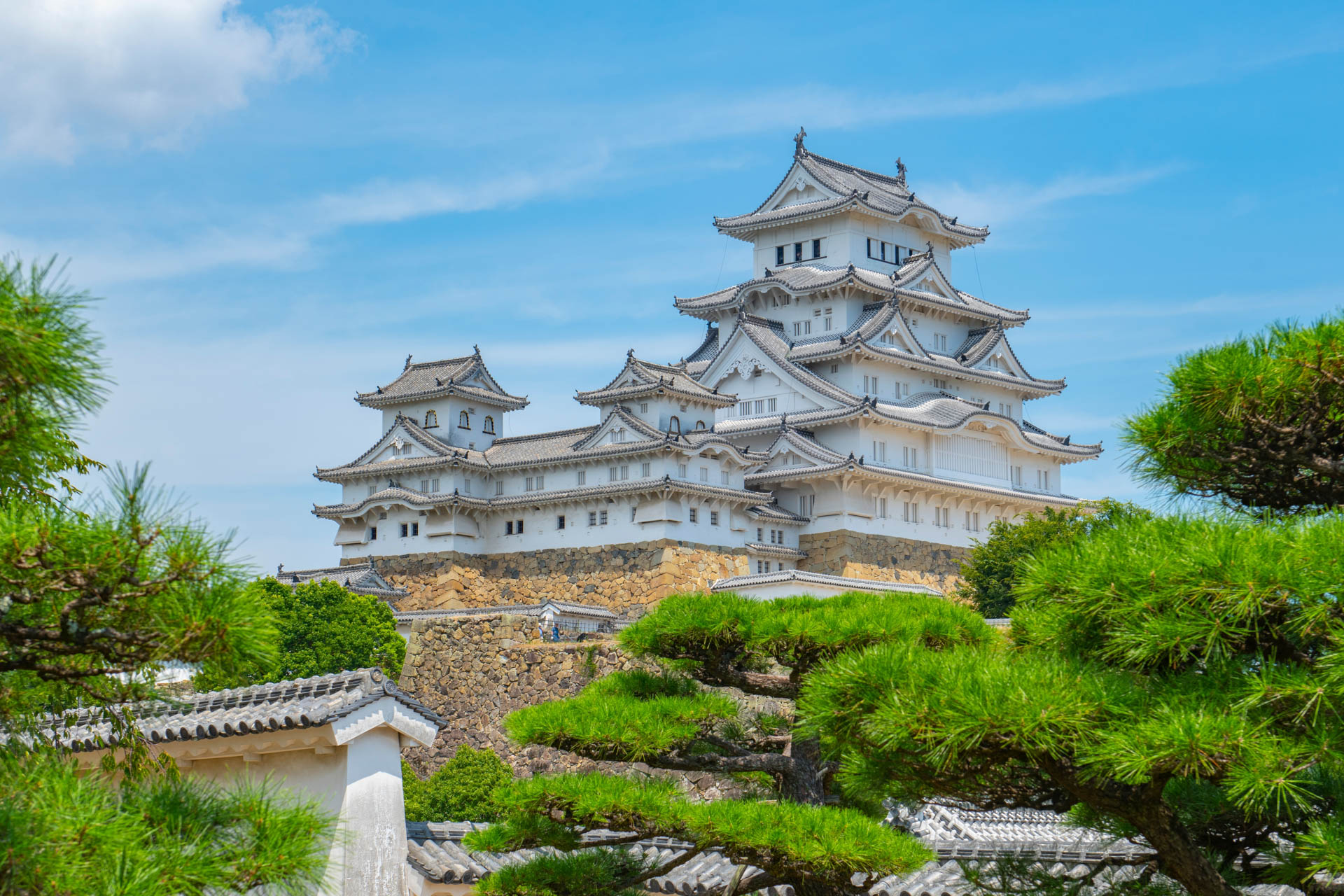
Be immersed in the heritage and traditions of Kyoto. Visit the iconic Fushimi Inari Shrine and Kinkakuji Temple, then take part in a traditional tea ceremony.
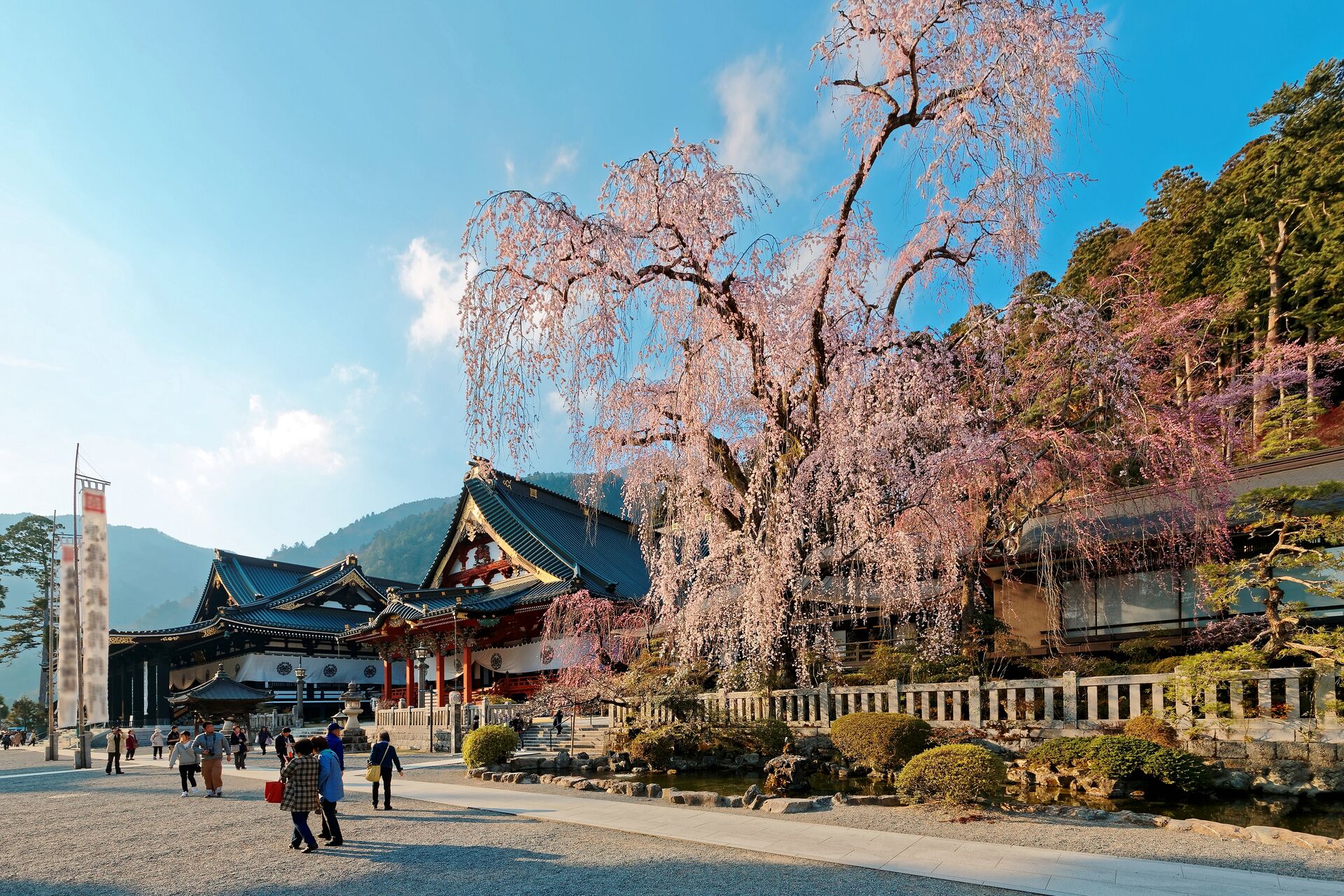
Spend a night in a centuries-old temple in Minobu. Try a typical meal of shojin ryori (vegetarian Buddhist cuisine), maybe take a moment to meditate in the crisp mountain air or witness the morning prayer ceremony.
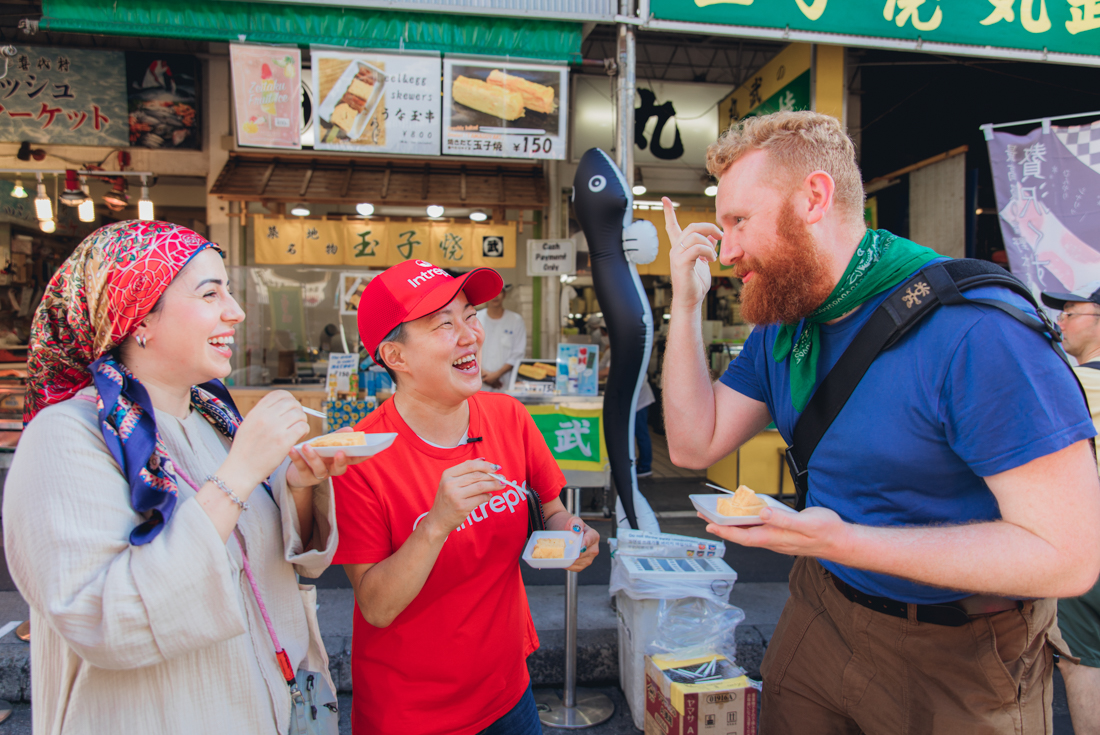
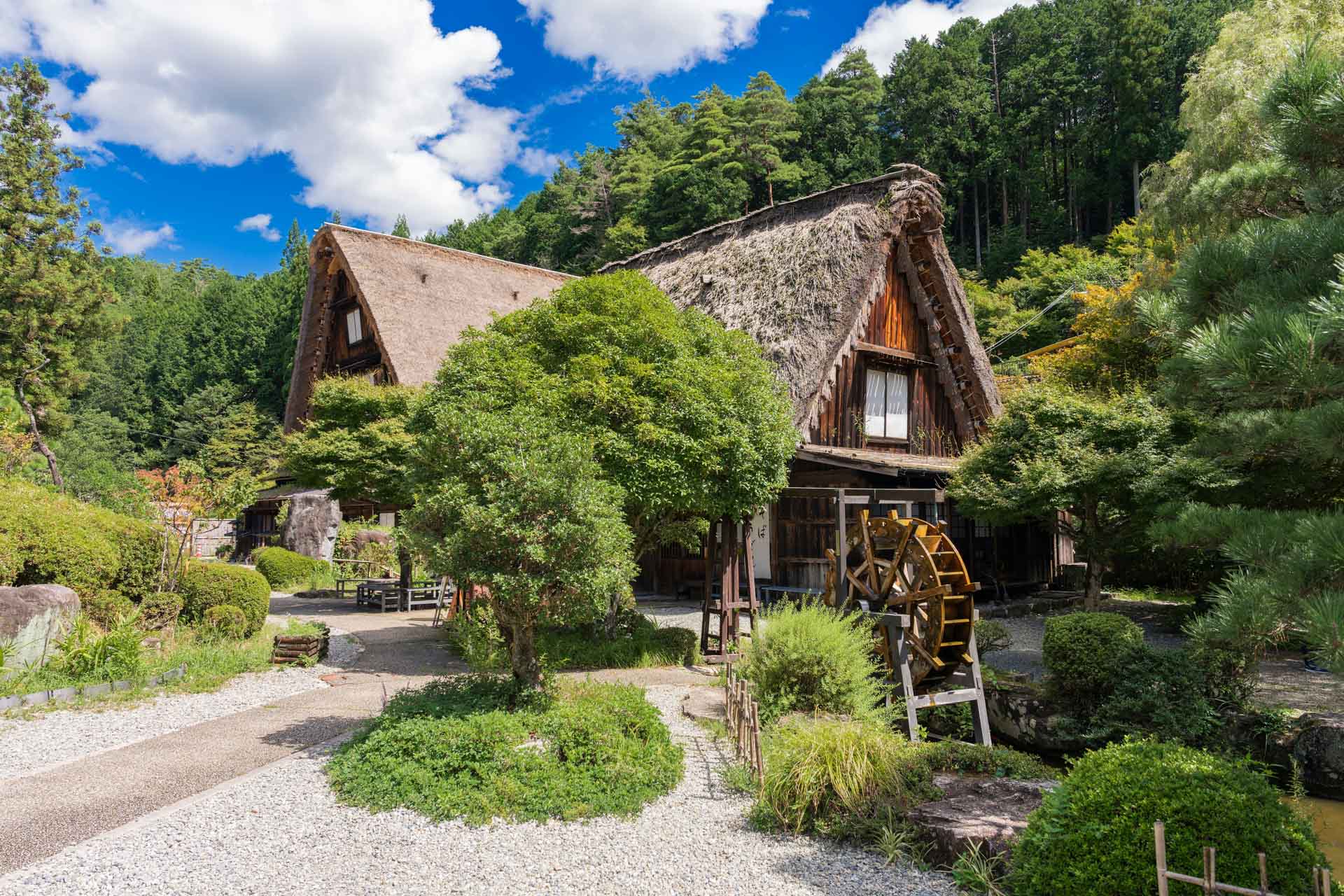
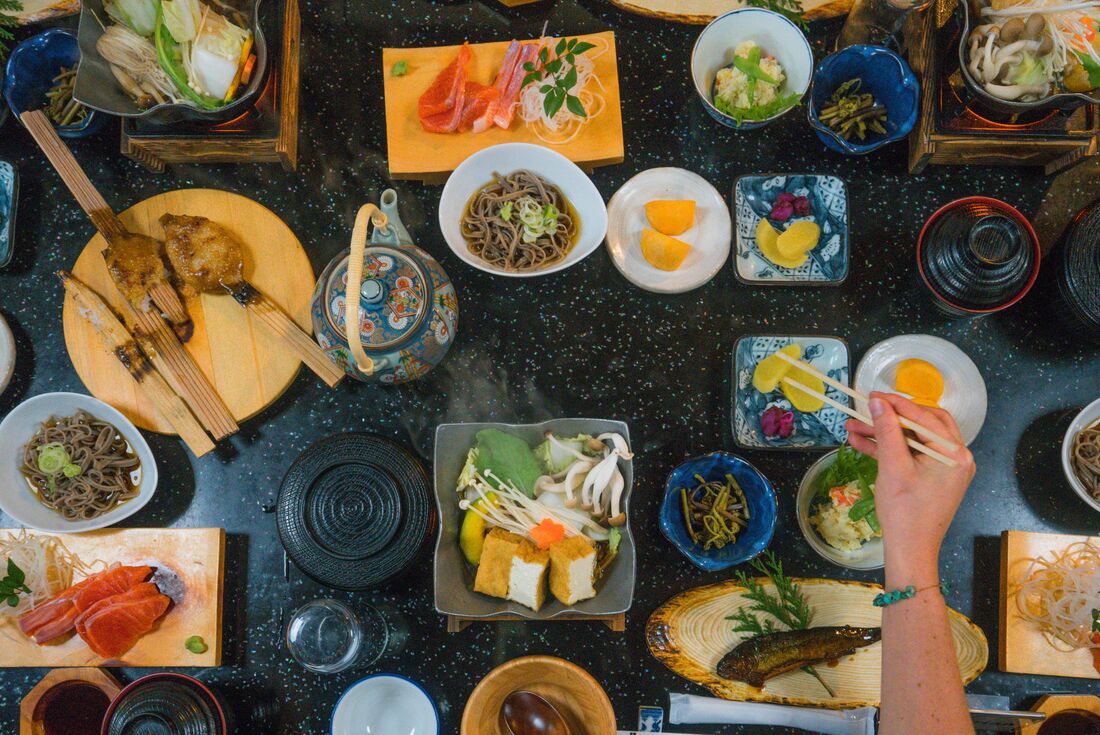
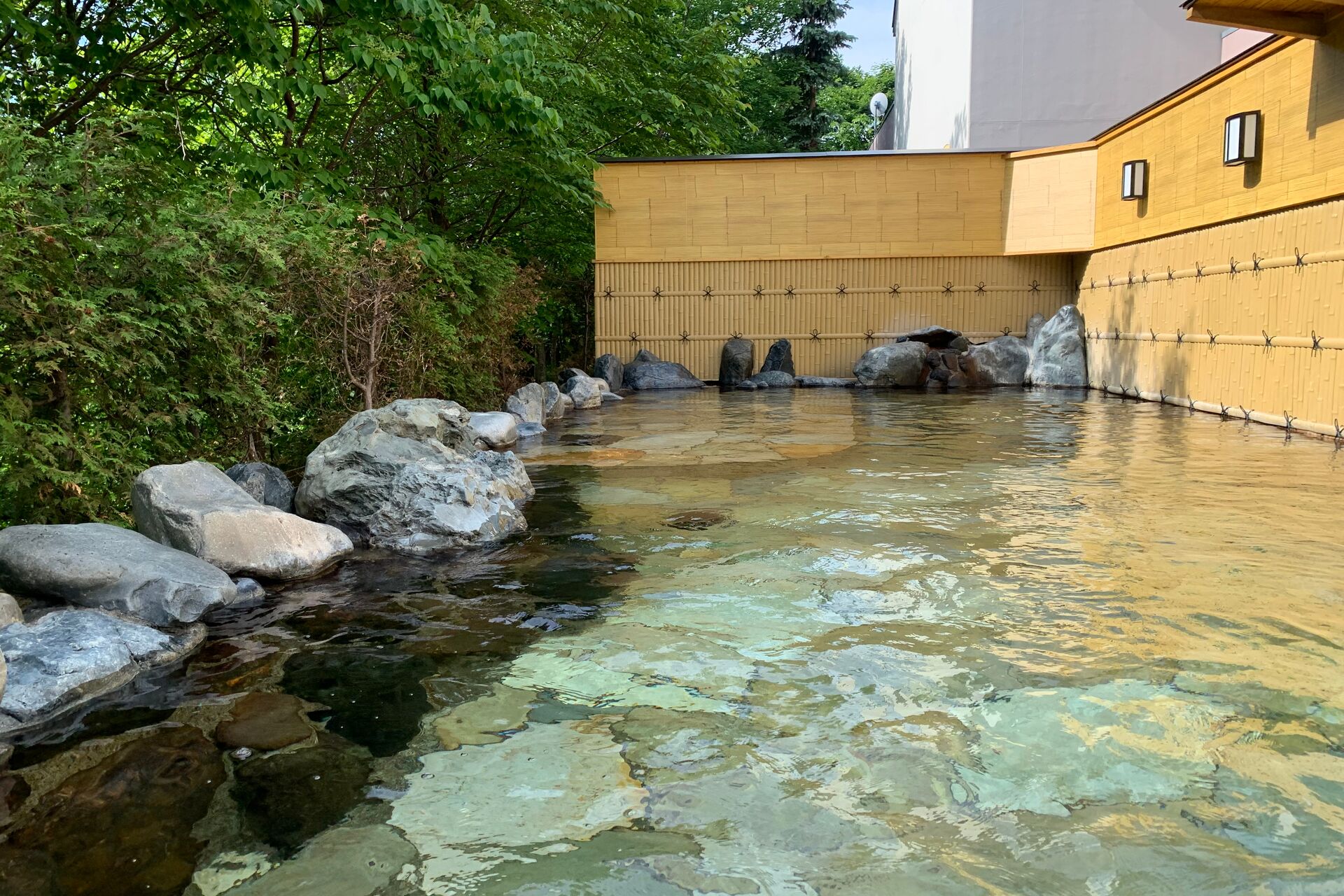
Soak your worries away at a ryokan hotel in Gero, famous for its onsens, and feast on a kaiseki (multi-course) meal. Visit the local market and step back in time in Gassho Village, full of traditional thatched-roof houses.
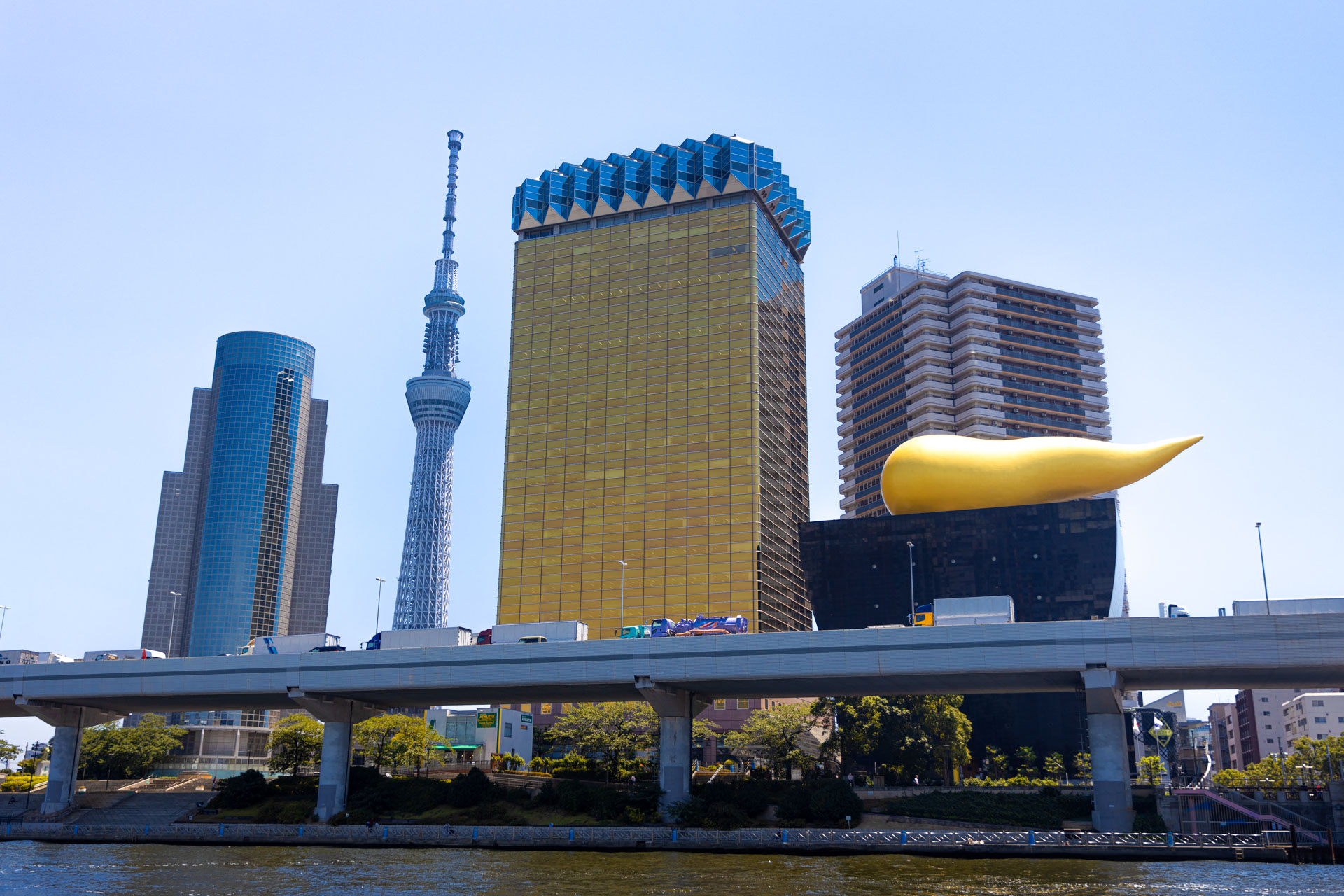
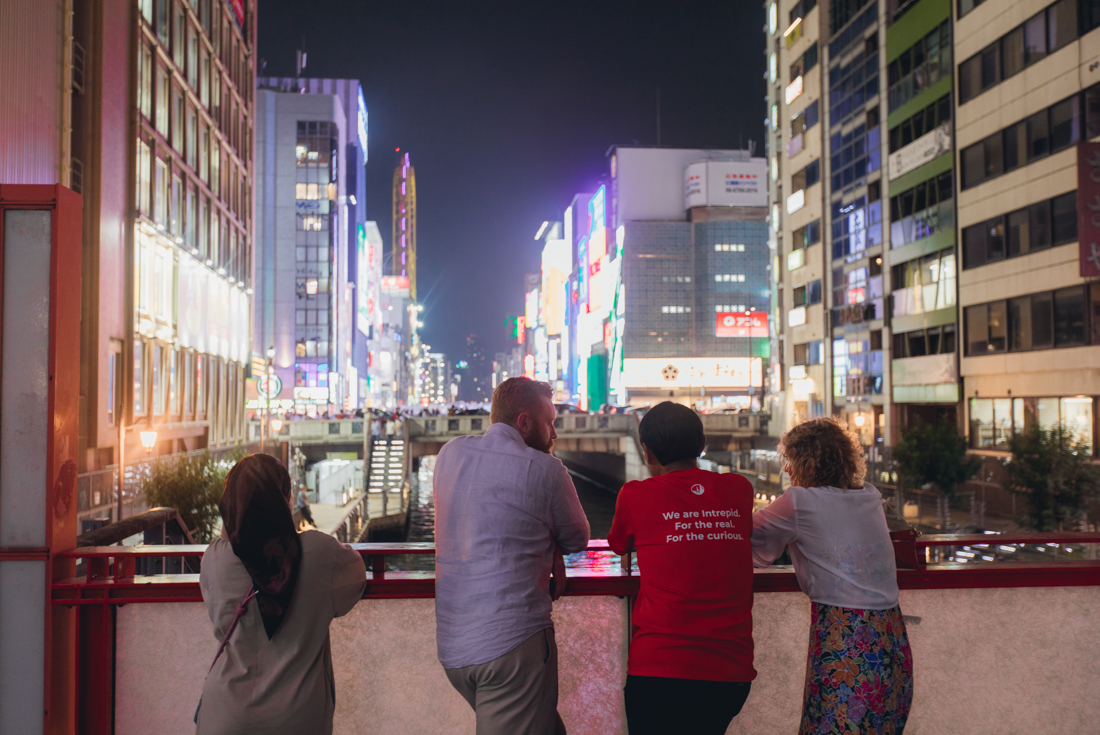
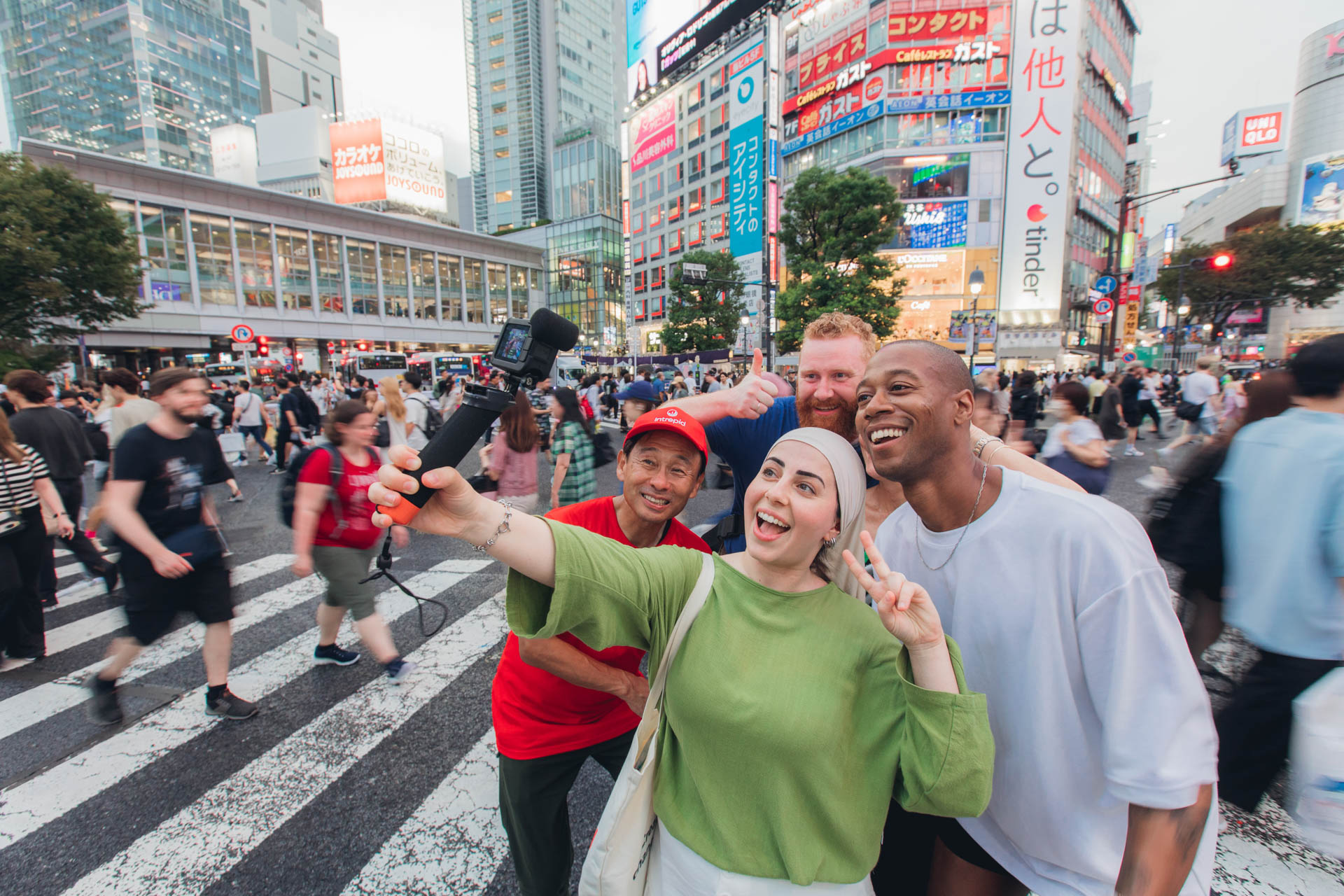
Take in the eclectic charm of Tokyo and Osaka. Cruise down Tokyo’s Sumida River and explore the neon-lit Dotonbori District in Osaka.
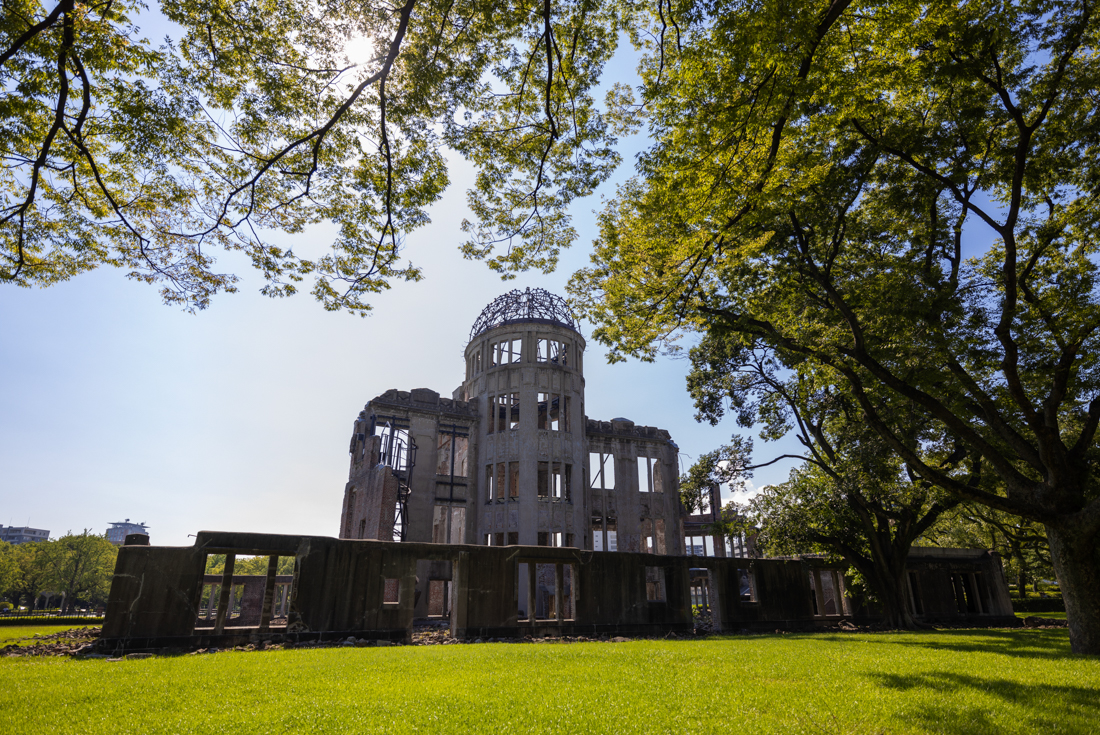
Learn more about the sobering past of Hiroshima at the memorial park, museums and monuments dedicated to the victims – these sites now advocate for world peace, serving as a reminder of the devastation of war.
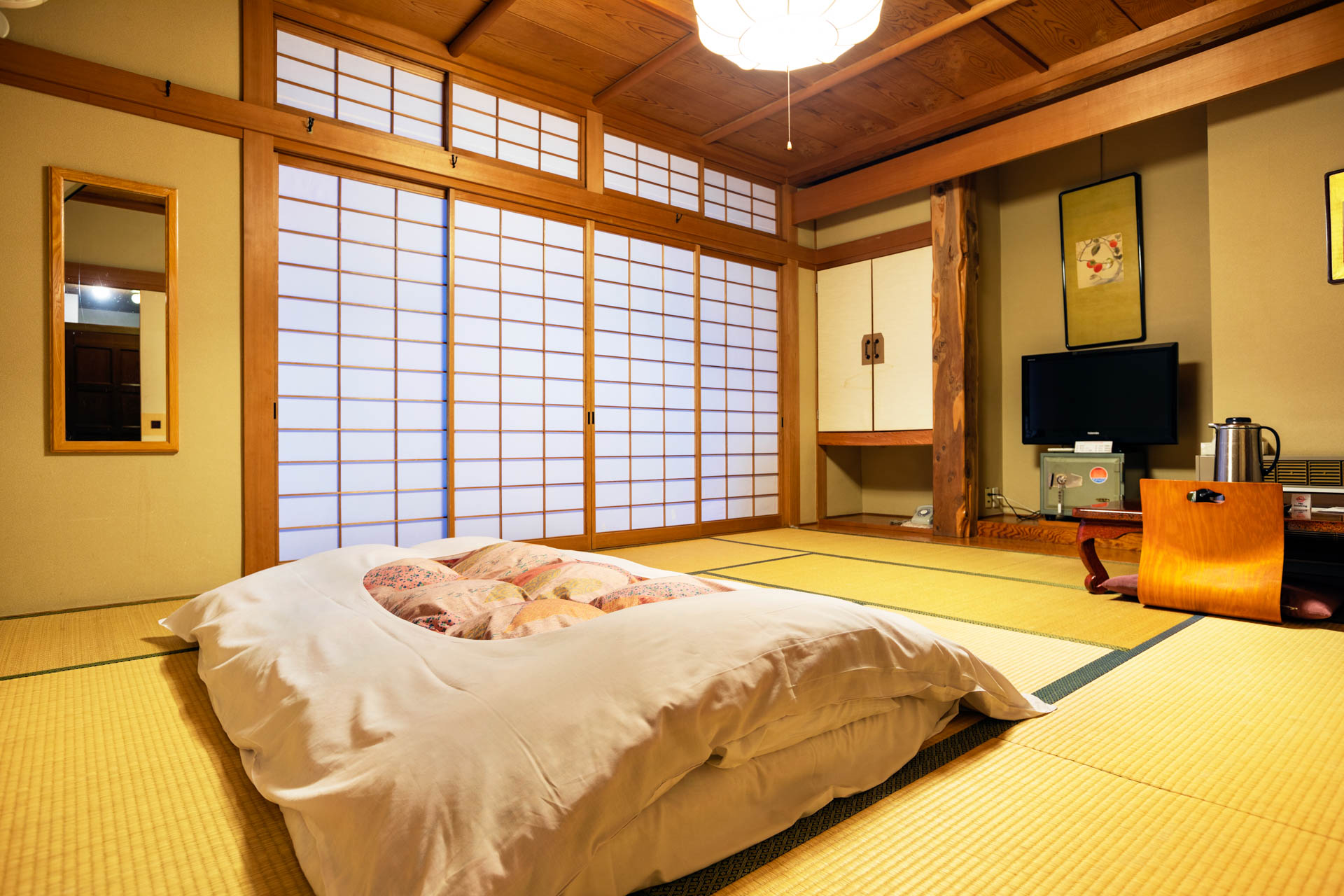
Japan is best explored on foot and by public transport. You’ll need to be fit enough to spend most of each day on your feet. You’ll also need to be able to handle your luggage as you navigate busy train stations and walk up and down a few flights of stairs. We recommend comfortable shoes and packing light., For the temple stay in Minobu, you'll be staying in traditional tatami rooms with shared facilities. This is an authentic cultural experience, but this is important to consider if you have problems with your back or knees, as the surface is firm., Double rooms in Japanese hotels can be smaller than you may be used to (for example, 20 sq m). Every effort will be made to accommodate double room requests. However, during busy periods, there may be occasions when we are unable to offer a double room, so a twin room will be provided.
GENERAL HEALTH All travellers need to be in good physical health in order to participate fully on this trip. For the safety and wellbeing of yourself and others, if you are unwell prior to travelling, please stay at home and contact us to make alternative arrangements. When selecting your trip please make sure you have read through the itinerary carefully and assess your ability to manage and enjoy our style of travel. Please note that if in the assessment of our group leader or local representative a traveller is unable to complete the itinerary without undue risk to themselves and/or the rest of the group, we reserve the right to exclude them from all or part of a trip without refund. You should consult your doctor for up-to-date travel health information or for any necessary vaccinations before departure. We recommend that you carry a first aid kit as well as any personal medical requirements in their original packaging as they may not easily be obtained while travelling. If you are carrying medication, ensure you check your government's foreign travel advice for any local restrictions or requirements.
FOOD IN JAPAN The Japanese daily diet contains gluten (ie. in flavourings such as soy sauce) and seafood (dashi, or fish stock, is the basis of most dishes, even vegetable ones), so we highly recommend that vegetarians, vegans and coeliacs do their own online research before travelling about some of the options that might be available to them. While our leaders will assist you whenever they can, there may be some included meals that are fixed in advance and not flexible, such as those included at ryokans, and cannot be modified for different diets. For those suffering from particular food allergies, your group leader will endeavor to disclose to their fullest knowledge the main ingredients in dishes being consumed. It is, however, still your personal responsibility to ensure that you do not ingest any foods to which you are allergic. Food and drink are such a high part of Japanese culture. Here are some links to get your tastebuds tingling: https://www.intrepidtravel.com/adventures/japan-convenience-store-food/ https://www.intrepidtravel.com/adventures/traditional-tokyo-alleyways-locals-guide/ https://www.intrepidtravel.com/adventures/eat-and-drink-like-a-local-in-japan/ https://www.intrepidtravel.com/adventures/vegetarian-vegan-travel-japan/
SPENDING MONEY When it comes to spending money on the trip, every traveller is a little different. You know your spending habits better than we do, so please budget an appropriate amount for things like optional meals, drinks, shopping, optional activities, and laundry. Make sure you have read the itinerary and inclusions thoroughly so you know what is included in the trip price and what you may need to pay for while travelling., JAPAN The local currency in Japan is the Japanese Yen (JPY). Cash is still the most common form of payment in Japan. ATMs are commonplace, so obtaining cash is easy. Credit cards are generally accepted at department stores and large restaurants., TIPPING Tipping can be an appropriate way to recognise great service when travelling. While it may not be customary in your home country, it is an entrenched feature of the tourism industry across many of our destinations and is greatly appreciated by the people who take care of you during your travels. It is always best to avoid tipping with coins, very small denomination notes, or dirty and ripped notes, as this can be regarded as an insult rather than the goodwill gesture it is intended to be., YOUR GROUP LEADER OR LOCAL REPRESENTATIVE Tipping your group leader or local representative is highly appreciated if you feel they’ve provided outstanding services throughout your trip. The amount is entirely a personal preference; however, as a guideline, the recommended amount is 4-7 USD or EUR per traveller per day (in a currency relevant to your destination). Of course, you are free to tip more or less as you see fit, depending on your perception of service quality and the length and involvement of your group leader or local representative on your trip., CONTINGENCY FUNDS We try to plan for every eventuality, but there are still some things beyond our control. We reserve the right to change an itinerary after departure due to local circumstances or a Force Majeure Event. In such emergency circumstances, the additional cost of any necessary itinerary alterations will be covered by you. We are not responsible for any incidental expenses that may be incurred because of changes to itineraries, including but not limited to visas, vaccinations or non-refundable flights. Make sure you have access to an extra USD 500 for emergencies (e.g. severe weather, natural disasters, civil unrest) or other events that result in unavoidable changes to the itinerary (e.g. transport strikes or cancellations, airport closures). Sometimes these things necessitate last-minute changes to enable our trips to continue to run, and as a result, there may be some extra costs involved. The recommended amount is listed in USD for the relatability of all travellers; however, local currency may be needed once in the country to cover these costs. Please confirm with your leader on Day 1 if you need to carry this in cash, or whether access via card or electronically is sufficient.
LUGGAGE IN JAPAN On this trip you will need to carry your own luggage for up to 30 minutes at a time. Train stations are quite complex and usually require climbing a lot of stairs, especially when doing a quick transfer from train to train. Elevators aren't always available and cannot accommodate many people at a time, so if you bring a suitcase, please ensure you are able to lift and carry it up and down stairs yourself without difficulty. Our ryokans allow suitcases, but you'll need to carry it onto the tatami floor in the room, instead of wheeling it. A backpack is often preferred by travellers for these reasons. We recommend that you keep your main luggage weight around 15kg and certainly no more than 20kg. LUGGAGE SIZE RESTRICTIONS ON JAPANESE TRAINS Luggage allowances for train travel are calculated by adding the length, width and height together. We recommend your main piece of luggage does not exceed 159cm. Luggage between 160cm and 250cm requires pre-booking additional luggage space for an additional fee. This can be difficult to secure given how busy Japan's rail system is. Luggage over 251 cm will NOT be permitted on Shinkansen trains. If you have oversize luggage you will need to use luggage forwarding services. Additional charges will apply. Please speak to your leader if you need to utilise this service. Japanese trains don’t have large luggage racks for big suitcases so it's best to pack as light and small as possible so that you are not blocking aisles or taking up extra seats. DAY PACK A day pack for carrying essentials when exploring destinations, as well as for any shorter overnight stays, will be useful. SEASONAL CLOTHING Weather in Japan varies greatly between summer and winter so be sure to check whether you’ll need a beanie and thermals or light cotton layers during your visit. PACKING LIST Below is a link to our ultimate packing list, a guide to get you started:
https://www.intrepidtravel.com/packing-list
WATER BOTTLE Please bring your own water bottle to refill. Although it can be difficult to avoid bottled water when travelling, please use the water dispensers which are provided on some of our vehicles and at some of our accommodation. When unable to avoid bottled water, it is better to buy the largest available and distribute it into your smaller bottle for the day. Some travellers like to bring a bottle with its own filtration system or water purification tablets. If you are walking or trekking as part of your trip, you will need to carry at least 2 litres of water with you.
PEAK TRAVEL TIMES Please be aware that while travelling during major national holidays (late Apr to early May) and peak seasons in Japan (Apr-May/Sep–Oct) are fascinating and exciting times to travel, there are also some downsides. There will be huge crowds at most tourist attractions and on all public transport. It's common for there to be difficulties in securing train tickets at our usual preferred times, hotels become overbooked, traffic jams and changes to the itinerary without prior notice can be necessary. If you decide to travel during peak periods come with a sense of adventure and flexibility and we are sure that your experience will still be rewarding and memorable.
Intrepid won't tolerate any kind of violence, harassment (whether physical, verbal or sexual), or disrespect toward fellow travellers, our teams or local communities. To ensure the wellbeing of everyone on the trip, decisions made by your group leader are final. Romantic relationships between travellers and group leaders or local representatives are not permitted while on trip. Any behaviour that prevents your leader from continuing the itinerary as planned, breaks local laws or opposes any of these guidelines may result in Intrepid denying your booking or removing you from the trip. If something concerns you during your travels, please speak to your group leader immediately. Alternatively, you can contact us on the emergency contact number detailed in the Problems and Emergency Contact Information section of this Essential Trip Information.
Can’t stop thinking about your adventure? Tell us all about it! We read each piece of feedback carefully and use it to make improvements for travellers like you. Share your experience with us at: http://www.intrepidtravel.com/feedback/
While we always endeavour to provide the best possible holiday experience, due to the nature of travel and the areas we visit sometimes things can and do go wrong. Should any issue occur while you are on your trip, it is imperative that you discuss this with your group leader or local representative straight away so that they can do their best to rectify the problem and save any potential negative impact on the rest of your trip. We recognise that there may be times when your group leader or local representative may not be able to resolve a situation to your satisfaction - if this is the case, please ask the group leader or local representative to speak to their direct manager. You may also choose to provide details in your online feedback, which we ask you to complete within 30 days of the end of your trip. Please do be aware that it is very difficult for us to provide any practical help after the trip is completed, so informing us while still travelling will give us the opportunity to resolve the issue in real-time., For general contact details please use the following page: https://www.intrepidtravel.com/contact-us, In case of a genuine crisis or emergency, you can reach our local office on the numbers below: , Available for phone call or WhatsApp call on +81 70 1771 5588
Our Responsible Travel Policy outlines our commitment to preserving the environment, supporting local communities, protecting the vulnerable, and giving back to the places we travel. All our group leaders and local representatives, suppliers, and staff are trained on these principles and are core to us delivering sustainable, experience-rich travel. Explore the different parts of our Responsible Travel Policy by visiting: https://www.intrepidtravel.com/responsible-travel, LOCAL CUSTOMS It's always a good idea to learn something about local customs before you travel, and visiting Japan is no exception. Your leader will be on hand to guide you through cultural differences during your trip, but here are some tips to get you started: https://www.intrepidtravel.com/adventures/etiquette-in-japan/ CLOTHING While Japan is known for its 'out there' fashions overall it is quite a conservative country. Please remember that we spend time at temples, working monasteries, holy shrines, recreated villages and castles, cooking schools and ancient gardens. At these places it is important to be respectful to the staff and other visitors by wearing clothing that covers your shoulders and knees. , TATTOOS IN JAPAN: Please note, decorative tattoos are uncommon in Japanese culture and therefore you may receive curious and sometimes disapproving looks from locals. Generally, nobody will make a comment about your tattoos but please endeavour to wear modest clothing and check rules for public onsens., WHALE MEAT Whale meat is sold and consumed in this destination, and it is possible you may see it on some menus. The issue of whale hunting for traditional or commercial purposes can be complex and sensitive. Wherever possible, your leader will advise you in advance if whale meat may be available for sale, to ensure you're informed and prepared.
Our non-profit, The Intrepid Foundation, gives travellers more opportunities to make a positive impact in the places they visit. We have over 50 Intrepid Foundation partners across the globe addressing four key focus areas: protecting the environment, taking a stand for wildlife, addressing inequality and empowering communities. Intrepid matches all post-trip donations dollar for dollar and takes care of the admin fees – this doubles your impact and ensures every cent goes to our partners on the ground. Visit our website for more info: http://www.theintrepidfoundation.org/
RYOKANS & MINSHUKUS Japanese-style accommodation - ryokans or minshukus (traditional inn/guesthouse) involve sleeping on futons or matresses on tatami mat floors, with bedding often packed away during the day. Attached bathrooms/toilets will usually be very small and many will only have shared bathing facilities with certain hours, or times available for booking at reception. Your leader will explain etiquette involved in using the shared facilities. As this style of accommodation will often not have furniture (ie. chairs or beds) in the rooms, please consider choosing a different trip style in Japan if you have difficulty getting up from the floor or have knee, hip or back issues. Some establishments may have a curfew when travellers need to be back in the accommodation - this is usually around midnight. Please also be aware that you would normally be required to change to slippers when entering into your room in such properties. Extra fees will be charged if dirty marks are left on their beddings or towels that require professional cleaning. Some of such properties will only give 1 key for each room so you can leave the key at the reception so that you and your roommate won't have to conform to the same schedule when you are out exploring. , AVAILABILITY The recent huge increase in tourism to Japan has put a lot of pressure on accommodation. On occasion, we may need to change accommodation from what is listed in the itinerary in order to operate your departure with minimal changes. , ONSENS We like to encourage travellers to visit traditional Japanese 'onsens' while in the country as it is a quintessential local experience. In public onsens this means bathing naked with others of the same gender. While the experience can feel strange at first for some, most of our groups end up enjoying this activity. There is very specific etiquette for visiting onsens - your leader can give you some tips and instructions. Please be aware that travellers with tattoos may not be permitted to enter public onsens. Private onsens may also be available - talk to your leader for more information. See our guide to onsens here: https://www.intrepidtravel.com/adventures/japan-onsen-guide/
Travel insurance is compulsory on all our trips for those travelling internationally. We require that, at a minimum, you are covered for medical expenses, including emergency repatriation. If you are travelling within your home country or region, please confirm before travel that you are entitled to access the public medical system easily should an accident occur. We strongly recommend all travellers have a policy that also covers personal liability, cancellation, curtailment and loss of luggage or personal effects. For international trips, you will not be permitted to join the group until evidence of travel insurance and the insurance company's 24-hour emergency contact number has been sighted by your group leader or local representative. If you have credit card insurance, your group leader or local representative will require details of the participating insurer/underwriter, the level of coverage, policy number, and emergency contact number, rather than the bank's name and your credit card details. Please contact your bank for these details prior to arriving in-country. For travellers who reside within the European Union, Switzerland or the USA, the requirement to purchase travel insurance cannot be compulsory. However, the purchase of travel insurance is still highly recommended, and each country you visit may have its own specific entry requirements. For example, some mandate travel health insurance for all foreign travellers, regardless of their nationality. Travellers from the European Union, Switzerland or the USA who decline travel insurance when travelling outside their home region must sign a Travel Insurance Waiver Form at the Group Meeting, recognizing personal responsibility for emergency medical and repatriation costs should they arise. For assistance with travel insurance or other services, please visit the link below: , https://www.intrepidtravel.com/booking-resources/our-services
As you travel on a group trip you will be exposed to all the pleasures and maybe some of the frustrations of travelling in a group. Your fellow travellers will probably come from all corners of the world and likely a range of age groups too. We ask you to be understanding of the various needs and preferences of your group - patience with your fellow travellers is sometimes required for the benefit of everyone's travel experience. Remember too that you have responsibilities to the group. If you are requested to be at a place at a certain time, ensure that you don't keep the rest of the group waiting. We have found time and time again that the very best trips we operate are those where the dynamics within the group work well - this takes just a little effort on your part. Due to privacy reasons, we are unable to provide you with contact details and any personal information about your fellow travellers booked on your trip prior to departure., SOLO TRAVELLERS On our trips, rooming is organised on a twin-share basis. We pair up solo travellers with another traveller of the same gender, as per the gender marker on each of their passports. We also offer an optional single supplement on most trips for travellers who prefer to have their own room. This only applies to accommodation during the tour. Pre-trip and post-trip accommodation booked through us will always be on a single-room basis. On a small selection of trips some accommodation will be open-gender and multishare, such as a felucca in Egypt or an overnight train in Vietnam. Please review the Accommodation section of the Essential Trip Information for details about your trip. LGBTQIA+ TRAVELLERS We strive to create a safe and inclusive environment for everyone. If your gender identity differs from what is indicated on your passport, please contact us so that we can discuss rooming options with you., A Single Supplement to have your own room is not available to purchase on this trip due to hotels having limited number of rooms and the high demand on availability.
ITINERARY CHANGES Our itineraries are updated regularly throughout the year based on customer feedback and to reflect the current situation in each destination. The information included in this Essential Trip Information may therefore differ from when you first booked your trip. It's important that you review this information prior to travel so that you have the latest updates. Due to weather, local conditions, transport schedules, public holidays, political unrest or other factors, further changes may be necessary to your itinerary once in-country. Your group leader or local representative will keep you up to date with any such changes once your trip is underway and has the authority to amend or cancel any part of the trip itinerary if deemed necessary due to safety concerns. , OPTIONAL ACTIVITIES A selection of optional activities that have been popular with past travellers are listed in the day-to-day itinerary. This isn't an exhaustive list and should be used as a guide only for some of what might be available. Prices are approximate, are for entrance fees only, and don’t include transport to and from the sites or local guides unless indicated. All activities are subject to availability, and may be on a join-in basis. It may not be possible to do all the activities listed in the time available at each destination, so some pre-planning for what you are most interested in is advised. When it's recommended that travellers pre-book these activities, look for a note in the Special Information section of the day-to-day itinerary. For most, they can either be organised independently on the day, or let your group leader or local representative know you are interested at the Welcome Meeting and they can assist. Where activities are considered medium or high risk, we work with operators whose safety and credentials we have sighted and assessed. Although it is possible that you may find the same activity cheaper with another operator on the ground, we cannot vouch for the safety or quality of that operator. Medium and high-risk activities not listed above have not been assessed by us and as such our staff and group leader or local representative are unable to assist you with organising these activities. Activities that contravene our Responsible Travel policies are also not listed. Please remember that the decision to partake in any activity not listed is at your own discretion and risk.
Hotel (8 nights), Temple Stay (1 night), Ryokan (1 night)